Bali Beyond the Beaches: Discover the Island's Hidden Soul

By Exclusive Holiday Getaways
●Published on April 13, 2026
Say "Bali" to most Australians and they'll picture Seminyak cocktails, Kuta surf, and infinity pools overlooking the Indian Ocean. And yes, the beaches are glorious. But if that's all you're doing in Bali, you're missing the island's deeper magic the part that makes people come back again and again.
Bali has a soul unlike anywhere else on earth, shaped by a unique form of Hinduism, centuries of artistic tradition, and landscapes so beautiful they feel almost theatrical. Once you step away from the beach clubs, a completely different island reveals itself.
Here's how to find it.
Ubud: The Cultural Heart of Bali
If Seminyak is Bali's body, Ubud is its soul. Nestled in the cool central highlands, this town has long been a magnet for artists, healers, and travellers seeking something more meaningful than a suntan.
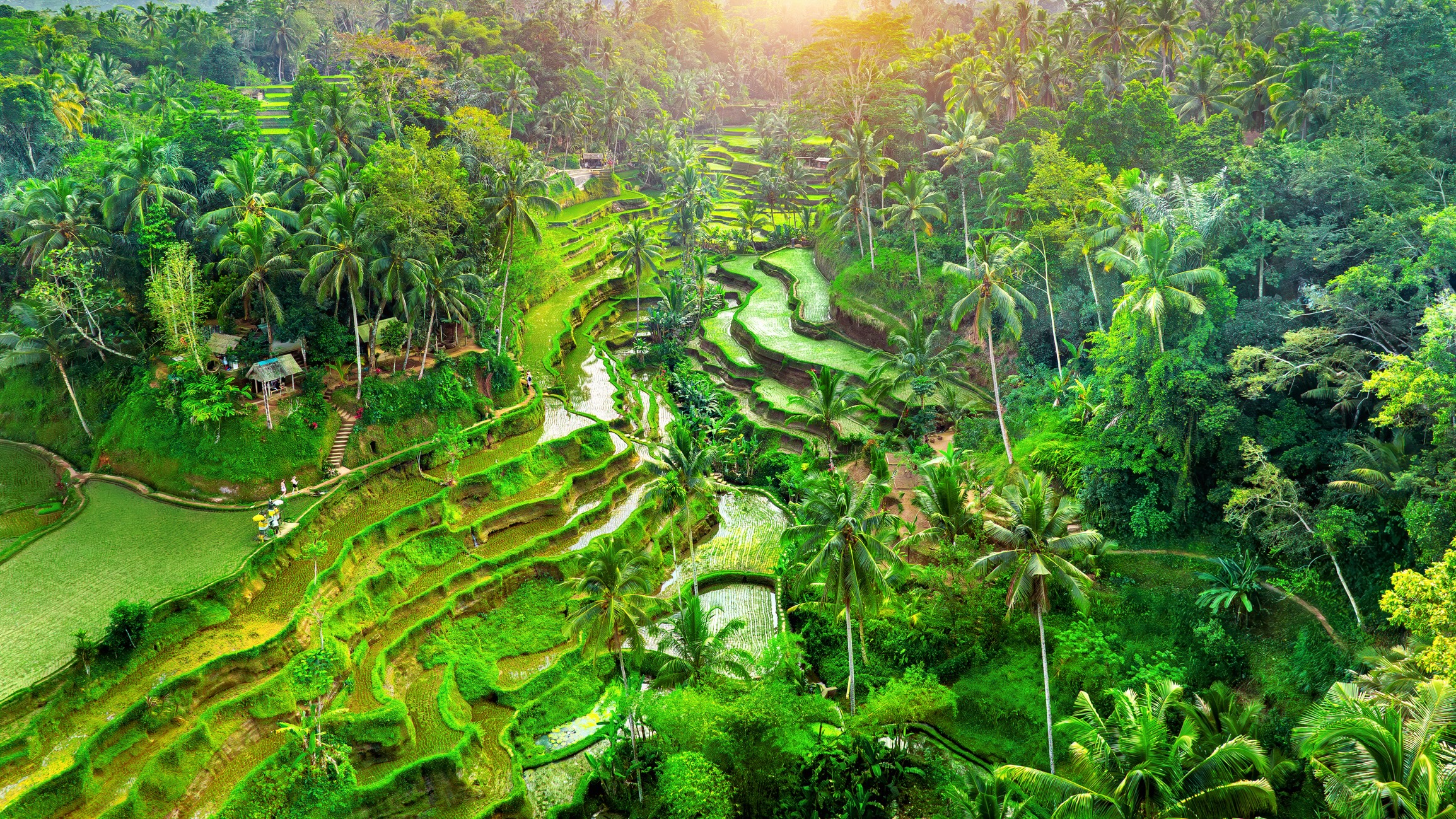
The famous Tegallalang Rice Terraces just north of town are straight-up spectacular, cascading green fields carved into the hillside that catch the morning light in a way that'll stop you in your tracks. The town itself is full of excellent art galleries, traditional craft workshops, and some of the best restaurants in all of Bali.
Don't miss the Sacred Monkey Forest Sanctuary (yes, the monkeys are cheeky), the Ubud Palace in the centre of town, and the nightly Kecak fire dance at Pura Dalem Taman Kaja a hypnotic performance that's been running for nearly 100 years.
Pro tip: Stay at least three nights in Ubud. A day trip from the south doesn't do it justice.
Bali's Ancient Temples: More Than Just Instagram Backdrops
Bali has over 20,000 temples, and while Tanah Lot and Uluwatu get most of the attention (and for good reason perched on clifftops above crashing waves, they're extraordinary), there's a whole world of spiritual sites beyond the tourist favourites.
Pura Besakih known as the "Mother Temple" sits on the slopes of Mount Agung and is the largest and holiest temple complex in Bali. It's a serious pilgrimage site for Balinese Hindus and offers a glimpse into the living, breathing spiritual practice that underpins daily life on the island.
Pura Tirta Empul in Tampaksiring is a water temple where locals and visitors alike cleanse themselves in sacred spring water. Witnessing the purification ceremony here is quietly moving, and deeply authentic.
Visitor tip: Always bring or rent a sarong before entering a temple. Shoulders and knees should be covered as a sign of respect.
The North and East: Bali's Wild Side
Most tourists stick to the south of the island, which means the north and east are wonderfully uncrowded. Lovina on the north coast has a completely different feel to the south, slower, quieter, and surrounded by black sand beaches. The dolphin watching at sunrise is a highlight, and the nearby hot springs at Banjar are lovely.
Head east to Amed for some of the best snorkelling and diving in Bali, including the wreck of the USAT Liberty at Tulamben a WWII cargo ship that's now a spectacular artificial reef you can snorkel right from the beach.
And then there's Lake Batur, a stunning volcanic crater lake on the slopes of the active Gunung Batur volcano. Sunrise hikes up the volcano are popular and genuinely rewarding you're above the clouds as the sun rises, with views over the lake and across to Lombok.
Balinese Food: The Cuisine Most Tourists Miss
Yes, Seminyak has incredible restaurants. But the food that most tourists eat in Bali isn't really Balinese food at all it's an international menu with nasi goreng on the side.
The real stuff is different. Babi guling (suckling pig) is the ceremonial dish of Bali and worth seeking out the famous Ibu Oka in Ubud is a great starting point. Bebek betutu (slow-cooked duck in a fragrant spice paste) is another dish that takes hours to prepare and is absolutely worth it.
For everyday eating, warungs (small local eateries) are where Balinese people actually eat. Prices are a fraction of the tourist restaurants, the food is fresh and delicious, and you'll eat alongside locals rather than other travellers.
Responsible Travel in Bali
Bali has been navigating the pressures of mass tourism for decades, and it's worth being a thoughtful visitor. A few things to keep in mind:
Support local businesses choose locally-owned warungs, homestays, and craft shops over international chains where possible.
Respect temple etiquette dress appropriately, behave quietly, and don't climb on sacred structures for photos.
Be mindful of plastic Bali's ocean plastic problem is well-documented. Carry a reusable water bottle and bag.
Engage with Balinese culture genuinely the Balinese are warm and generous hosts. A little curiosity and respect goes a long way.
Final Thoughts
The Bali that most people return home raving about isn't always the one they expected to find. It's the moment you stumble across a small temple ceremony in a village. The quiet rice paddies at dawn. A meal at a warung where the owner's grandmother does the cooking. The smoke from incense offerings drifting through a mountain forest.
The beaches are beautiful. But the real Bali is waiting for you inland.
Published April 13, 2026


