Remote Workers: Bali's Great But Here's Where the Smart Digital Nomads Are Going Instead.

By EHG
●Published on August 21, 2026
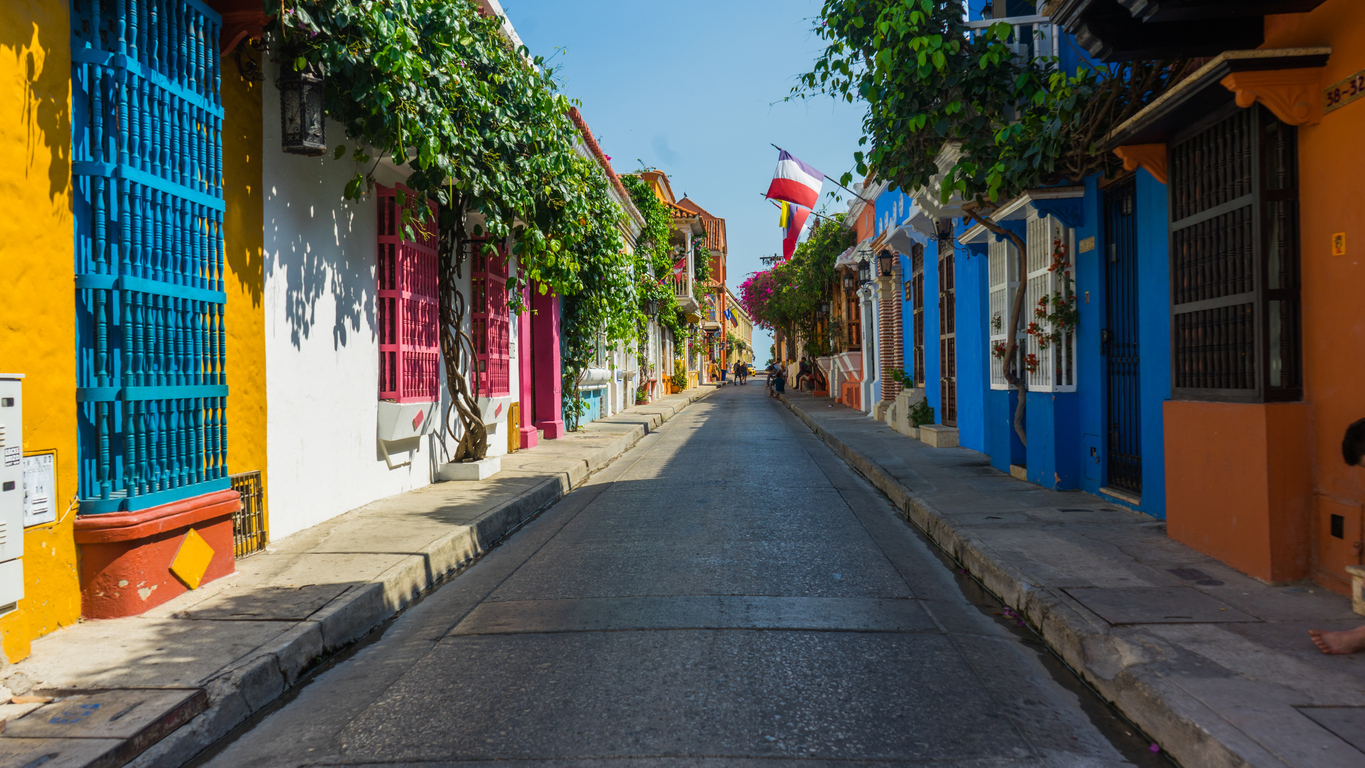
Bali, Chiang Mai, Lisbon are the usual contenders.
They're popular for good reason but they're also saturated, increasingly expensive, and full of the exact same coworking spaces and coffee shops you will find in your home city.
The nomads who are actually ahead of the curve have already moved on. These are five of the places they've moved on to.
Cities with visa pathways built for remote workers, internet fast enough to survive a client call, and a cost of living that still makes sense on a normal salary.
1. Medellín, Colombia
Medellín has spent the last decade rebranding itself from a city with a difficult reputation into one of South America's most reliable remote work bases, helped along by a genuine digital nomad visa that runs up to two years for anyone earning at least $684 a month.
Coworking spaces like NOI, Quokka and Semilla Café average $15 to $20 a day or $200 to $300 a month, with wifi in most cafes and coworking spots running 50 to 200 Mbps, more than enough for back to back video calls.
Locals call it the city of eternal spring, and the nickname holds up: temperatures sit between 18 and 28 degrees year-round, with barely a change of season to plan around. El Poblado is the walkable, nightlife-heavy base most nomads land in first, while Laureles offers the same tree-lined streets and coworking access for noticeably less rent once you know your way around. A full month of living, working and going out comfortably runs somewhere between $1,000 and $2,000.
2. Tbilisi, Georgia
No other city on this list makes it this easy to just show up. Georgia lets citizens of most countries stay for up to 365 days without a visa, the longest visa-free window offered by any serious remote work hub, and all it takes to stay compliant long-term is showing roughly $2,000 a month in income or $24,000 in savings. A one-bedroom apartment in the city center runs $600 to $900 a month, groceries for two land around $400 to $650, and wifi costs $15 to $30 a month.
The internet infrastructure won't win any awards, it's serviceable rather than spectacular, but everything else about Tbilisi's case is strong: a walkable old town, a genuinely low cost of living for a European capital, and a wine and food scene that punches well above what most nomads expect before they arrive. It's the city people plan to stay in for three months and end up staying in for a year, mostly because nothing forces them to leave.
3. Split, Croatia
Split's digital nomad visa runs up to 18 months, requiring either roughly €2,539 a month in income or €30,471 in savings, and any income earned from outside Croatia is exempt from Croatian income tax for the length of the stay. The one catch: it can't be renewed back to back, so after 18 months you'll need to leave for six months before reapplying, which most people treat as an excuse to go explore somewhere else on this list.
The internet is modest by comparison to Da Nang or Medellín, around €17 a month for an 8 Mbps connection, but nobody chooses Split for the download speed. You're working with a 1,700-year-old Roman palace as your backdrop, a waterfront promenade for lunch breaks, and a ferry to a different island most weekends. A studio in the city center runs €600 to €1,000 a month, and the coworking network is small but growing fast enough to keep up with demand.
4. Da Nang, Vietnam
Da Nang has quietly become Southeast Asia's answer to Chiang Mai, minus the crowds. The wifi at some cafes clocks speeds that would embarrass a corporate office, The Backpacker Hotel has recorded download speeds over 470 Mbps, and even the slower spots comfortably handle video calls. A one-bedroom apartment runs around $420 a month, and a full month of living comfortably, coffee, gym, dinners out included, lands close to $545.
Most nationalities can enter visa-exempt for 14 to 45 days, or apply for a 90-day e-visa online for $25 to $50, making it one of the easiest countries on this list to test out before committing. The appeal isn't just the price: My An is a genuinely walkable beach neighborhood, Son Tra Peninsula offers proper hiking and lookout points twenty minutes from your desk, and the nomad community here is famously easy to fall into, socially as much as professionally.
5. Cape Town, South Africa
Cape Town is the newest official entry on this list. South Africa's dedicated digital nomad visa only started accepting applications in March 2025, allowing stays of up to 12 months and renewable to a total of three years, though the income bar is the highest of any city here at roughly $38,500 a year.
For anyone who clears it, the payoff is one of the more spectacular backdrops available to a remote worker anywhere on earth.
Reliable wifi runs around $42 a month for 60 Mbps, and the coworking scene is genuinely excellent, purpose-built for a city that's been quietly courting remote workers for years. A one-bedroom in the city center runs about $774 a month. Work with Table Mountain in the window, surf before your first meeting, and spend the weekend wine tasting in Stellenbosch, twenty minutes away. It's not the cheapest city on this list, but it might be the hardest one to leave.
Published August 21, 2026


