The Best Ten Minutes of Any Holiday Is a Local Supermarket.

By EHG
●Published on August 28, 2026
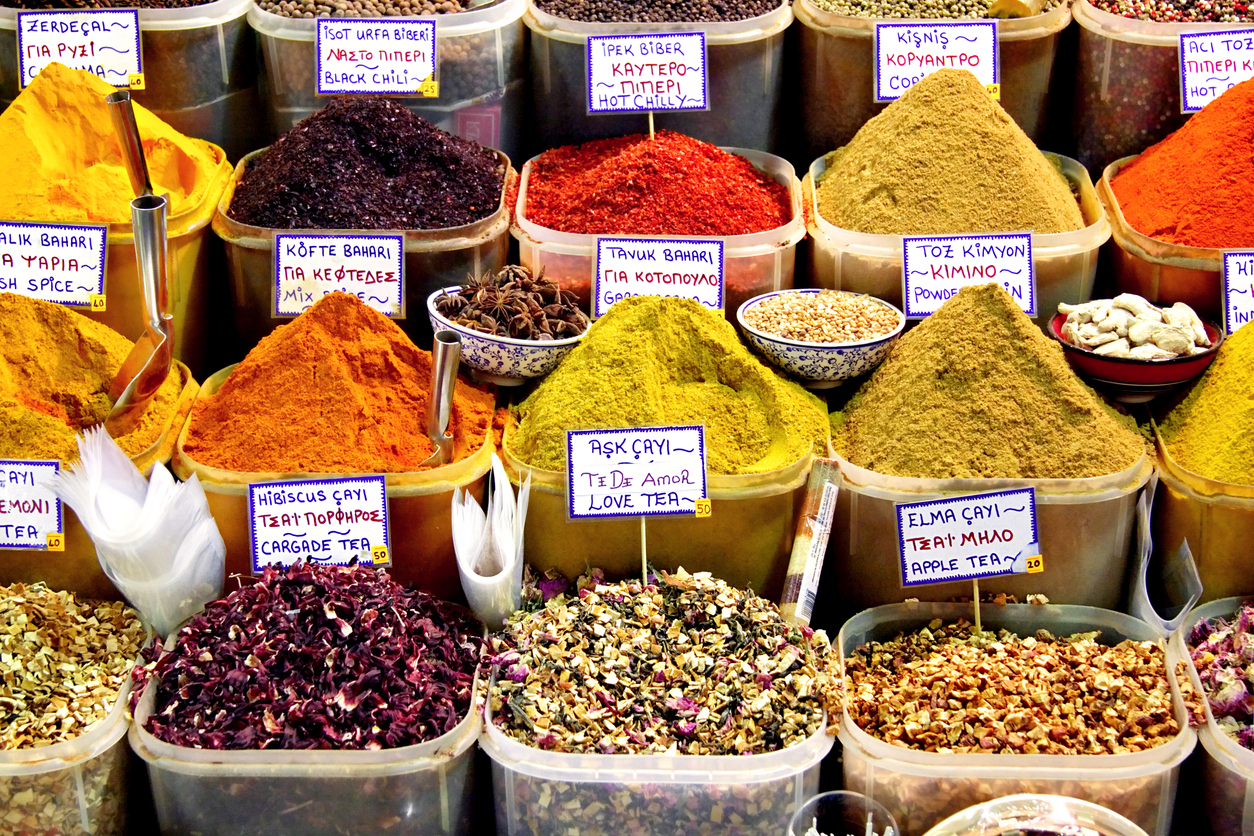
Somewhere between the guidebook and the group chat, most travellers skip the one place that tells you more about a country in ten minutes than any museum will in an afternoon. The supermarket, local market or the corner grocer down the street from wherever you're staying.
It's not on anyone's itinerary. It's also where you actually see how people live, what they eat on a Tuesday, and what an entire aisle of snack food looks like when nobody's curating it for tourists.
These are five of them, worth a genuine detour!
1. Depachika, Tokyo, Japan
Skip the department store's ground floor entirely and head straight for the escalator down.
Basement food halls, known as depachika, have been part of Japanese department stores since 1936, when Matsuzakaya in Nagoya opened the first one, though it took until the year 2000 and a renovation of Tōkyū's Shibuya store to turn them into the sprawling, everyday food halls they are now. Daimaru Tokyo alone runs close to fifty separate confectionery stalls under one roof, and Isetan Shinjuku's basement is where Tokyo goes for Pierre Hermé macarons and a carrot cake from Rose Bakery that regularly sells out before lunch.
There's no ticket, no queue to get in, and nothing you can't just point at. Walk the aisles, take a sample from whichever stall is offering one that week, and buy exactly one thing you can't identify. It's the cheapest, most honest hour you'll spend in the city.
2. Bónus, Reykjavik, Iceland
Iceland's biggest supermarket chain started as a single store on Skútuvogur street in Reykjavik in April 1989, opened by Jóhannes Jónsson and his son Jón Ásgeir. It's since grown to thirty three stores across Iceland and another eight in the Faroe Islands, all running the same deliberately no-frills format: simple shelving, a single giant fridge instead of chiller cabinets, and famously short opening hours. None of that is the reason people love it though.
Bónus is known across the country for its mascot, a cross eyed pink pig on every sign and shopping bag. In 2021 the company tried to tidy him up and straighten his eye. Icelanders were furious enough that it made the news, and social media spent weeks mourning what one shopper called “a delightful little weirdo.” Go in for the skyr and the dried fish snacks by the checkout. Stay for the pig.
3. The Saturday Market, Arles, France
Arles has held a market since 1584, when King Henri III granted it by royal decree, and the modern version still runs every Saturday morning along Boulevard des Lices with more than 450 stands stretched across nearly two and a half kilometres. Producers sell direct, tagged with “Pays d'Origine” labels so you know exactly which farm the goat's cheese or the lamb came from, and in winter the truffle stalls alone are worth the early start.
Get there by eight, before the tour groups do, and you'll see locals doing the actual weekly shop rather than tourists doing a lap. Buy more olives than you need, a wheel of something you can't pronounce, and eat lunch on a park bench like everyone else is.
4. The Spice Bazaar, Istanbul, Türkiye
Built in 1660 after Istanbul's Great Fire and funded by trade revenue from Ottoman Egypt, the Spice Bazaar sits beside the New Mosque and still holds 85 shops under its arched stone ceiling.
It was commissioned by Turhan Hatice, the Queen Mother of Sultan Mehmed IV, and rent from the shops originally paid for the mosque's upkeep, a four hundred year old grocery run funding a piece of the skyline.
Walk in for the spices piled into pyramids of colour and stay for everything else: Turkish delight by the kilo, dried apricots, pistachios, and a version of honeycomb nobody back home has heard of. Haggle a little. It's expected, and it's part of the fun rather than an inconvenience.
5. Ben Thanh Market, Ho Chi Minh City, Vietnam
Ben Thanh has been trading since the 17th century, though its current site and clock tower date to 1912, when the market moved and took the name it still carries. The tower itself is a strange, likeable mix of French colonial architecture and Vietnamese symbolism, topped with a carved liquor bottle meant to represent abundance, which feels about right for a building surrounded by fruit stacked higher than most stallholders.
Head to the wet market section for dried seafood, produce piled by colour rather than type, and cakes nobody's translated the name of yet. It's louder and hotter than any supermarket back home, and that's exactly the point. Bring cash, bring an appetite, and expect to leave with something you didn't plan on buying.
Before You Go: Shop Smart With Your EHG Member Rewards
A trip built around wandering supermarkets and local markets still means flights, a place to stay, and the everyday spending that comes with any holiday, and EHG members don't pay full price for any of it.
Through the EHG member rewards library, members access exclusive discounts across 12,000+ retail partners, including online shopping, Coles and Woolworths, and 40% off dining. The average EHG family saves around $5,500 a year, a head start on the next trip and everything you'll inevitably buy at the market once you're there
Every week, EHG members go in the draw to win luxury holidays, the kind that make room for detours like these, with prizes worth up to $45,000.
20% of every membership fee goes directly to your chosen charity, from Vision Australia and Ronald McDonald House to Starlight and WWF.
See all our charity partners here.
Join EHG: access thousands of everyday savings, support a charity you care about, and go in the weekly draw to win a luxury holiday. The best markets don't wait either.
Published August 28, 2026


