Discover
Japan
A land of ancient temples, bullet trains and unforgettable food, Japan is a destination that rewards every sense
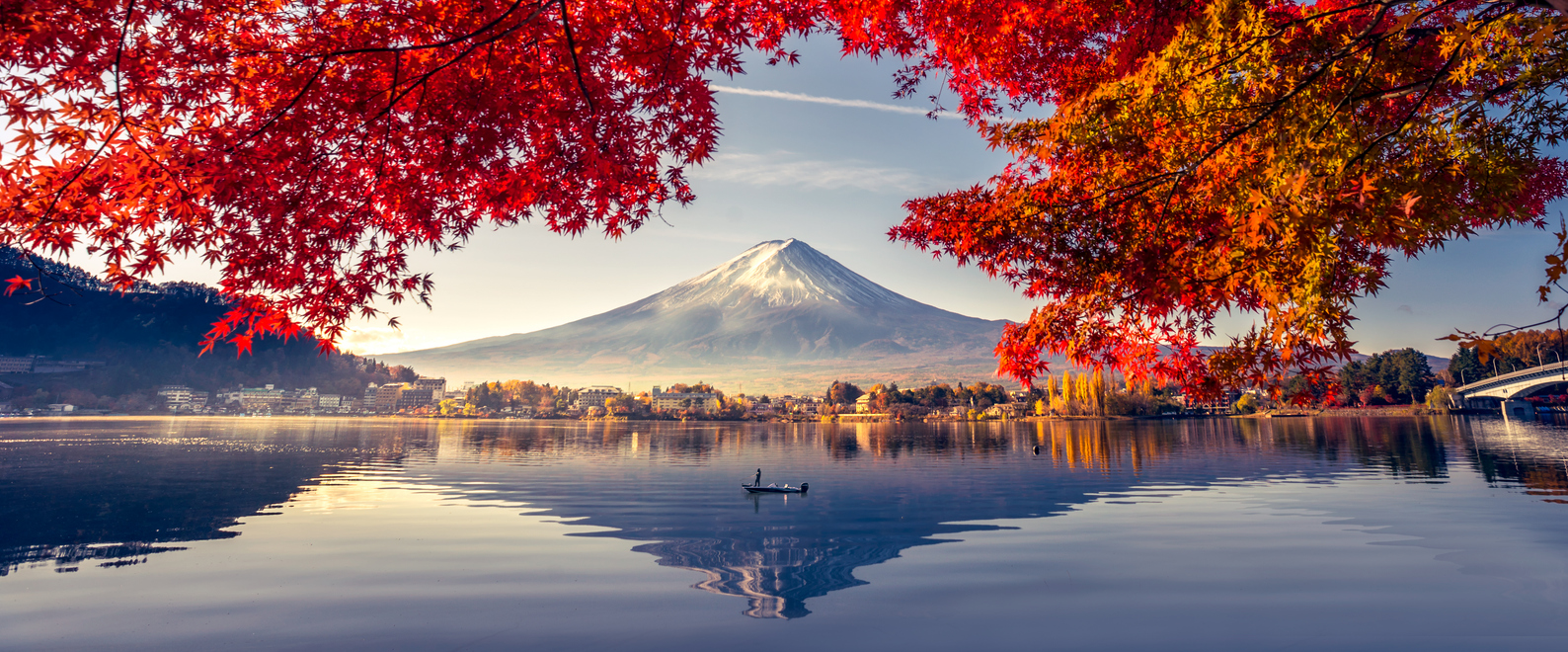
Japan is unlike anywhere else on earth. Ancient temples sit in the shadow of glittering skyscrapers. Bullet trains slice through misty mountain landscapes at 300km/h. Street food stalls serve Michelin-worthy ramen for just a few dollars.
Whether you're standing in silence at a Kyoto shrine at dawn or losing yourself in the electric chaos of Shibuya Crossing at midnight, Japan has a way of surprising you at every single turn.
It's a country of beautiful contradictions. Hyper-modern and deeply traditional. Incredibly efficient and profoundly spiritual. Frenetically busy and yet, somehow, always peaceful the moment you step off the main street. Japan doesn't just give you a holiday, it gives you a shift in perspective.
For EHG members, Japan is one of those destinations that justifies the dream. Every city has a distinct personality and beneath the surface of every experience, from a convenience store onigiri to a kaiseki dinner in a centuries-old ryokan, is a culture that takes quiet, extraordinary pride in doing things well.
It's a big country with a lot to offer. Here's everything you need to know to make the most of it.
How to get to Japan from Australia
Direct flights from Sydney and Melbourne to Tokyo (Narita or Haneda airports) operate daily, with Qantas, Japan Airlines (JAL) and ANA among the main carriers.
Flight time is approximately 10–11 hours. From Perth, expect around 9 hours.
For travellers heading to Osaka or Kyoto first, Osaka's Kansai International Airport is also well-served from Australia, both direct and one-stop options are available through Singapore and other Asian hubs.
Getting Around Japan
Once you land, Japan's transport network is genuinely world-class and a big part of the experience itself.
Japan Rail (JR) Pass - If you're travelling between two or more cities, this is almost always worth purchasing. It unlocks unlimited travel on Shinkansen bullet trains and most regional JR lines. Buy before you leave Australia for the best price.
Shinkansen (Bullet Train) - The fastest and most comfortable way to travel between Tokyo, Osaka, Kyoto, Hiroshima and beyond. Tokyo to Kyoto takes just 2 hours 15 minutes.
IC Card (Suica or Pasmo) - A rechargeable transit card that works on metros, buses and even at many convenience stores and vending machines. Load it up at the airport on arrival.
Taxis - Expensive but immaculate, reliable and widely available in all major cities.
Domestic Flights - For Okinawa or Hokkaido, domestic flights with ANA or JAL are often the most practical option.
Best time to visit Japan
Japan is a year-round destination, but timing your visit around the seasons can transform the experience.
Spring: Late March to Early May
Japan at its most iconic. Cherry blossoms (sakura) transform parks, riverbanks and castle grounds into something from another world. The entire country comes alive during hanami (flower viewing) season; picnics under the blossoms, light-up evening events, and an atmosphere that's genuinely electric. Book well in advance: this is the most popular time to visit and accommodation fills up months ahead.
Autumn: October to November
Just as breathtaking as spring. Maple and ginkgo trees turn brilliant shades of red, orange and gold across the country. Autumn is arguably the best time to visit Kyoto and Nikko, the temple gardens become extraordinary during this season. Crowds are significant but manageable outside peak weekends.
Winter: December to February
Cold, crisp and often magical. The ski fields of Niseko (Hokkaido) and Hakuba (Nagano) are world-class, attracting Australian powder-hunters every season. Cities like Kyoto take on a hushed, atmospheric quality in winter, with far fewer tourists. Onsen (hot spring) experiences are at their best when it's cold outside.
Summer: June to August
Hot and humid, Japan's summer is intense, particularly in Tokyo and Osaka. That said, summer festivals (matsuri) are some of the most spectacular events on the Japanese calendar: enormous fireworks shows, lantern festivals, and Obon celebrations. If you can handle the heat, the energy is extraordinary.
Shoulder Season Tip
Late May and early June (before rainy season) and late September are sweet spots, fewer crowds, pleasant temperatures and better accommodation availability.
Things to Do
Tokyo
Tokyo could fill a week on its own and still leave you with a list. The sheer scale and variety of the city is genuinely overwhelming in the best possible way.
Shibuya and Shinjuku: Two of the world's great urban experiences. Shibuya Crossing at rush hour is unlike anything else on earth. Shinjuku's Golden Gai neighbourhood, a tangle of tiny bars, each seating maybe six people is a perfect Tokyo evening.
Harajuku and Omotesando: Takeshita Street for wild youth fashion; Omotesando for flagship luxury stores and exceptional architecture.
Yanaka: One of Tokyo's few neighbourhoods to survive the war and earthquakes intact. Winding lanes, traditional shops, temple cemeteries and the feeling of Tokyo from another era.
TeamLab Planets / TeamLab Borderless: Japan's extraordinary digital art experiences. Mesmerising, genuinely unlike anything else and worth every queue.
Day trips: Mount Fuji and Fuji Five Lakes (2–3 hours from Shinjuku), Nikko's ornate temple complex, and the seaside town of Kamakura (home to the Great Buddha) are all unmissable.
Kyoto
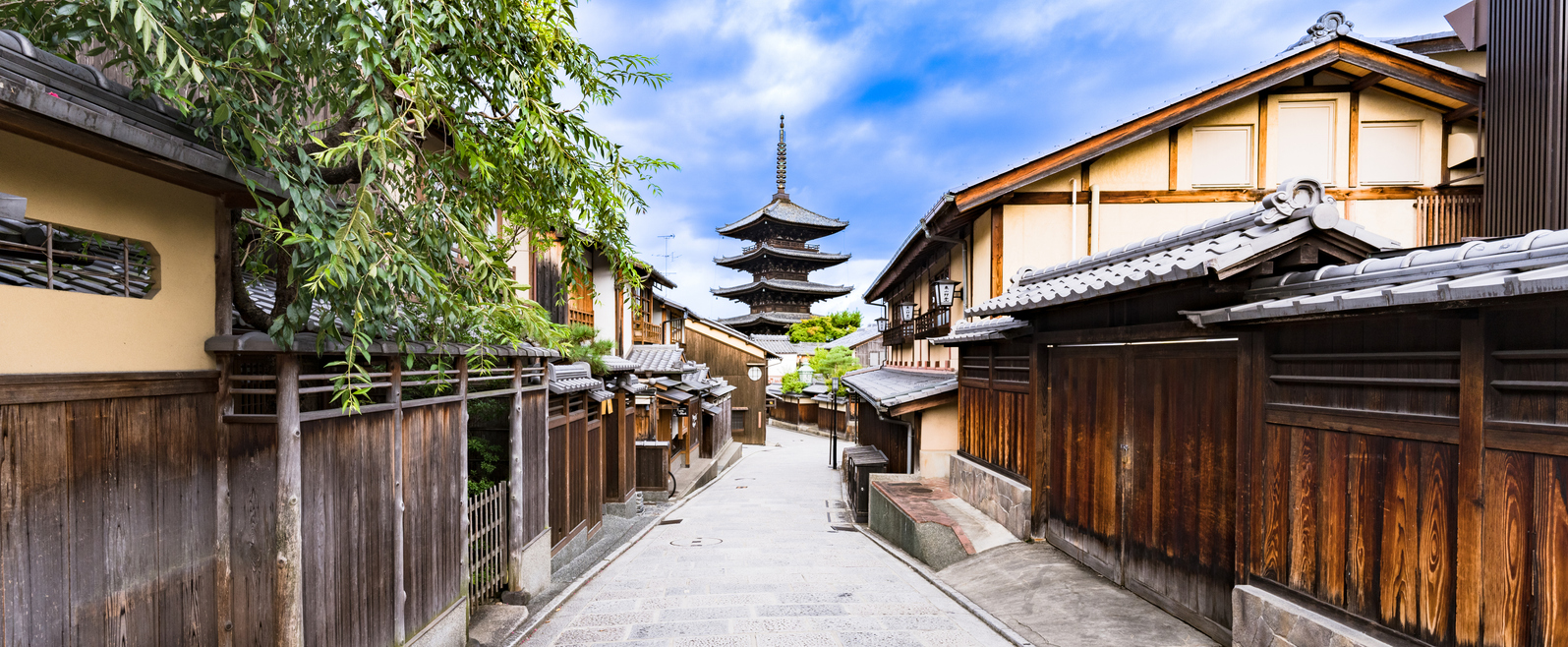
The cultural heart of Japan, and for many visitors, the reason they fell in love with the country in the first place. Kyoto has over 1,600 temples and shrines and somehow almost all of them are worth seeing.
Fushimi Inari Taisha: Thousands of vermillion torii gates winding up a forested mountain. Go at dawn or dusk to avoid the crowds. One of Japan's most iconic sights.
Arashiyama Bamboo Grove: Hauntingly beautiful in the early morning. Combine with a visit to Tenryu-ji temple garden and a walk along the Oi River.
Gion: Kyoto's preserved geisha district. Wander Hanamikoji Street at dusk and you may spot maiko (apprentice geisha) on their way to evening engagements.
Nishiki Market: Five blocks of stalls selling pickles, tofu, street snacks and local produce. Known as 'Kyoto's Kitchen' and rightly so.
Philosopher's Path: A canal-side walkway connecting a string of temples. Extraordinary during cherry blossom and autumn foliage seasons.
Osaka
Japan's most food-obsessed city, a title the locals wear with immense pride. Osaka is louder, looser and more approachable than Tokyo, and it's one of the most fun cities in Asia.
Dotonbori: Osaka's neon-drenched entertainment district. Eat takoyaki (octopus balls), okonomiyaki (savoury pancakes) and kushikatsu (skewered, deep-fried everything) until you physically cannot continue.
Kuromon Ichiba Market: The city's famous food market. Outstanding for fresh seafood, wagyu beef skewers and fresh produce.
Osaka Castle: Surrounded by a stunning park and moat. The castle itself is a beautiful example of Japanese architecture, particularly in cherry blossom season.
Day trips: Nara (45 minutes from Osaka) is home to hundreds of freely-roaming wild deer and the enormous Todai-ji temple housing Japan's largest bronze Buddha. Hiroshima and Miyajima Island are a few hours by Shinkansen.
Beyond the Cities
Hakone: A mountain resort area outside Tokyo, famous for its views of Mount Fuji, its onsen and its open-air sculpture museum.
Niseko: Australia's go-to ski destination in Japan. World-class powder, great infrastructure and a thriving Australian community every winter.
Hiroshima: The Peace Memorial Park and Museum are among the most moving sites in the world. The nearby island of Miyajima, home to the floating torii gate is one of Japan's three most celebrated scenic views.
Naoshima: Japan's famous 'art island' in the Seto Inland Sea. Home to world-class museums and installations by artists including Yayoi Kusama. A remarkable escape from the cities.
Where to Stay
Tokyo
The Park Hyatt Tokyo (Shinjuku): Made legendary by Lost in Translation and still one of the great city hotels. Views across the Tokyo skyline, exceptional service, New York Bar.
Aman Tokyo (Otemachi): The most serene luxury experience in the city. Dramatic Japanese aesthetic, extraordinary spa, minimalist rooms with views over the Imperial Palace gardens.
The Prince Gallery Tokyo Kioicho: Another exceptional choice for those seeking genuine luxury with a Japanese sensibility.
Sotetsu Fresa Inn / APA Hotel (various locations): For budget-conscious travellers, Japan's business hotel chains offer exceptional cleanliness and efficiency at very reasonable prices.
Kyoto
The Ritz-Carlton Kyoto: Sits beautifully on the banks of the Kamogawa River, steps from Nishiki Market. One of the finest hotels in Japan.
Aman Kyoto: Tucked away in a private forest at the foot of the northern mountains. Extraordinary for those who want complete quiet and exceptional service.
Ryokan Stay (Arashiyama or Higashiyama): For many visitors, a night or two in a high-quality traditional ryokan will be the most memorable of the trip. Tatami floors, yukata robes, multi-course kaiseki dinner and a private onsen bath. Look for properties in Arashiyama or the Higashiyama district.
Osaka
The St. Regis Osaka (Honmachi): Polished luxury in the heart of the city, with outstanding dining options.
Conrad Osaka (Nakanoshima): Spectacular city views from the 33rd floor and above. Contemporary design in one of Osaka's most interesting neighbourhoods.
Dormy Inn Osaka Shinsaibashi: For great value: well-located, clean, reliable and with an in-house onsen. A favourite among repeat visitors who know their budget hotels.
How much does Japan cost for an Australian traveller
For a budget conscious customer you can estimate to spend $80-140pp per day. If you decide to travel in luxury estimate approximately $900pp per day.
Past Giveaways
FAQ's

Make your
next Holiday aReality
Turn daydreams into departures. Become a member today and make your next getaway a reality.
Never miss an offer or update
Subscribe and be the first to receive our news and exclusive offers.
Download Our
Mobile App
Download the EHG App to manage your account and use the interactive map to
easily find local deals and discounts near you.

