Discover
Canada
The world's second-largest country, a land of staggering natural beauty, world-class ski resorts, cosmopolitan cities and a warmth that makes every Australian feel immediately at home.
Canada is vast, stretching from the Pacific to the Atlantic across six time zones and that scale is part of what makes it such an extraordinary travel destination. It's a country where you can ski powder that rivals anything in the world at Whistler or Banff, watch humpback whales breach in the waters off Vancouver Island, kayak through the pristine fjords of Haida Gwaii, explore the cosmopolitan energy of Toronto, Montreal and Vancouver, and lose yourself in the autumn colour of Quebec's maple forests, all within a single country.
For Australians, Canada has a particular appeal. It feels familiar, English-speaking (mostly), Commonwealth-connected, with a culture that shares much of the same relaxed generosity of spirit, yet it offers landscapes and experiences utterly unlike anything at home.
The Rocky Mountains. The Northern Lights over Yukon. Niagara Falls. The whale-watching waters of British Columbia. These are genuinely world-class natural spectacles, and Canada puts them within reach.
Canada's cities deserve equal attention. Vancouver is regularly ranked among the world's most liveable cities, with a food scene, waterfront setting and outdoor lifestyle that impresses even Australians who thought they'd seen it all. Montreal is a genuinely European experience transplanted to North America, French language, café culture, extraordinary architecture, a festival calendar that runs year-round and a restaurant scene that punches well above its weight. Toronto is a global city in the truest sense: endlessly diverse, energetic and surprising.
For EHG members, Canada represents one of the great adventure and luxury travel combinations, a country that can deliver a world-class ski holiday, a wildlife expedition and a cosmopolitan city break, all on the same trip.
How to get to Canada from Australia
Flights
Vancouver International Airport (YVR) is the most common Australian entry point, with direct and one-stop flights from Sydney, Melbourne and Brisbane via Los Angeles, San Francisco or Air Canada's own Pacific routes. Flight time Sydney to Vancouver is approximately 17 hours direct (Air Canada operates this route seasonally). From Perth, routing via Asia adds connection time.
Toronto Pearson International Airport (YYZ) is the alternative eastern gateway, typically reached via Los Angeles, San Francisco, or direct Air Canada services from Sydney. Calgary (YYC) is the most convenient entry for the Canadian Rockies. Montreal (YUL) is best reached via a US connection.
Getting Around Canada
Domestic Flights: Given Canada's scale, domestic flights between cities are usually the most practical option. Air Canada, WestJet and Porter Airlines all operate extensive domestic networks at competitive prices when booked in advance.
Via Rail: Canada's national passenger rail network connects major cities, though journey times are long. The Canadian (Toronto to Vancouver, 4 nights) is one of the world's great train journeys rather than a practical transport option. Rocky Mountaineer offers premium rail journeys through the Canadian Rockies between Vancouver and Banff.
Rental Car: Essential for exploring the Canadian Rockies (Banff, Jasper, Icefields Parkway), Vancouver Island, the Okanagan wine country and rural Quebec. Roads are excellent; driving is straightforward. An international driving permit is recommended alongside your Australian licence.
City Transit: Vancouver, Toronto and Montreal all have excellent public transit systems. Vancouver's SkyTrain connects the airport to downtown in under 30 minutes.
Whistler Shuttle: Direct coach services run from Vancouver Airport to Whistler Village. See our dedicated Whistler Destination Guide for full details.
Best time to visit
Winter: December to April
Canada's ski season is outstanding. Whistler Blackcomb, Banff's three ski areas (Banff Sunshine, Lake Louise, Mt Norquay) and Mont Tremblant in Quebec are all world-class. February and March typically offer the best snow conditions. The Northern Lights are visible from Yukon and northern Alberta from November to March, one of the world's great natural spectacles.
Spring: May to June
Cities come alive, national parks open fully and the country begins to warm after a long winter. May in Vancouver is beautiful, cherry blossoms rival Japan in spectacle, temperatures are mild and accommodation rates are reasonable. A good time to visit before the summer peak.
Summer: July to August
Canada's most popular season and for good reason. Long daylight hours (18+ hours in the far north), warm temperatures in the cities (20–28°C), national parks at their most accessible, whale watching in peak season on both coasts, and a festival calendar that runs continuously. Book accommodation and park passes well in advance.
Autumn: September to October
One of Canada's most spectacular seasons. Quebec and Ontario's maple forests turn extraordinary shades of red, orange and gold, the 'fall foliage' season draws visitors from around the world, particularly to the Laurentians, the Eastern Townships and Ontario's wine country. Accommodation rates ease slightly and the summer crowds begin to thin.
Things to do
British Columbia
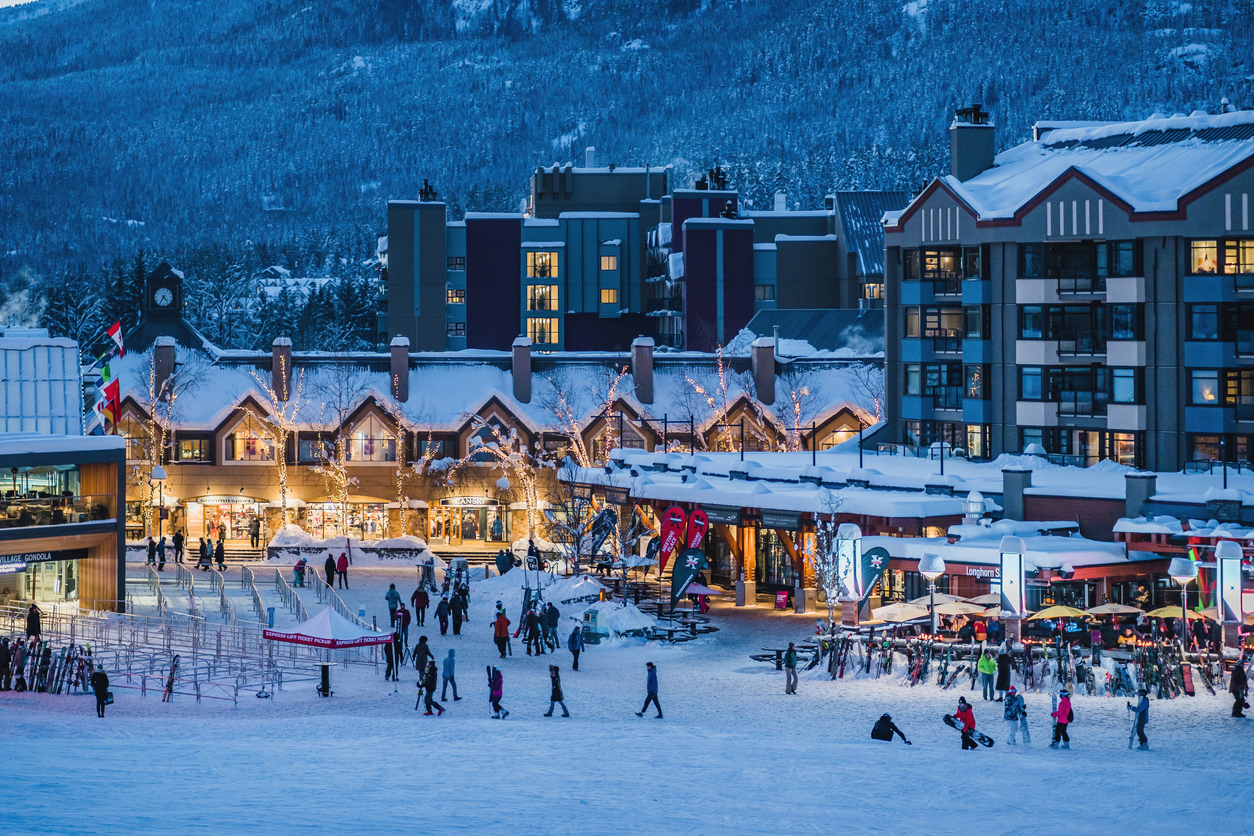
Whistler: North America's premier ski resort (see our dedicated Whistler Destination Guide). In summer, equally extraordinary for mountain biking, hiking and outdoor adventure.
Vancouver: One of the world's great city experiences. Stanley Park (1,000 acres of old-growth forest minutes from downtown), Granville Island Public Market, Gastown, the extraordinary waterfront setting and a restaurant scene representing every cuisine on earth. Do not miss a sushi dinner, Vancouver's Japanese food rivals Tokyo.
Vancouver Island & Victoria: Canada's most English city, with afternoon tea, double-decker buses and magnificent gardens (Butchart Gardens is spectacular). Whale watching from Victoria is among the best in the world, orca, humpback and grey whale sightings are common.
Sea-to-Sky Highway: The 120km drive from Vancouver to Whistler via Squamish is one of North America's great scenic roads. Stop at Shannon Falls, ride the Sea to Sky Gondola at Squamish and take in views of the Stawamus Chief, one of the world's largest granite monoliths.
The Canadian Rockies
Banff National Park: Canada's most visited national park and one of the world's most spectacular. Lake Louise (an impossibly turquoise glacial lake beneath a glacier and mountain backdrop) and Moraine Lake are among the most photographed places on earth. The town of Banff is excellent for accommodation, dining and the Banff Upper Hot Springs.
Icefields Parkway: The 230km highway from Lake Louise to Jasper is one of the world's great drives, passing glaciers, waterfalls, wildlife (elk, bears, mountain goats) and viewpoint after breathtaking viewpoint. The Columbia Icefield and Athabasca Glacier are accessible from the highway.
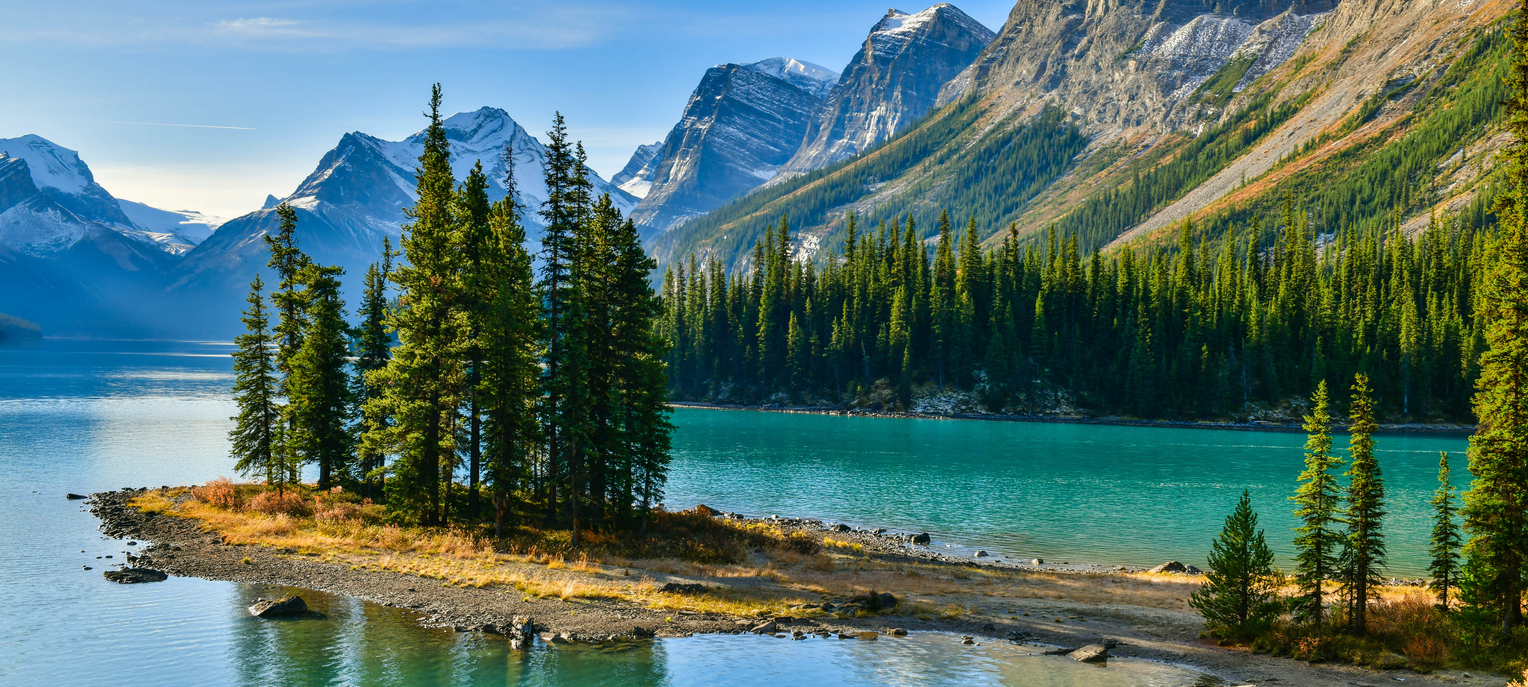
Jasper National Park: Quieter and wilder than Banff. Spirit Island on Maligne Lake is genuinely one of the most beautiful places in the world. Dark Sky Preserve status means extraordinary stargazing.
Skiing: Banff Sunshine, Lake Louise and Mt Norquay ski areas offer skiing at altitude with views that rival anything in the Alps. Less crowded and often less expensive than Whistler.
Quebec & Eastern Canada
Quebec City: One of North America's most extraordinary destinations. The walled Old City (a UNESCO World Heritage Site), the towering Chateau Frontenac hotel, cobblestone streets, a genuinely French culture and one of Canada's finest restaurant scenes. Winter Carnival (February) is spectacular.
Montreal: Canada's most culturally vibrant city. French language, a world-class food scene (poutine, bagels, smoked meat, fine dining), the Plateau neighbourhood, the Montreal Jazz Festival (July), and an underground city that makes winter entirely manageable.
Niagara Falls: Dramatic, overwhelming and absolutely worth a visit, particularly the Canadian side (Niagara Falls, Ontario). An evening boat trip (Maid of the Mist) to the base of Horseshoe Falls is an unforgettable experience.
The North
Northern Lights (Aurora Borealis): Whitehorse (Yukon) and Yellowknife (Northwest Territories) are among the world's best Northern Lights viewing destinations from November to March. Dark skies, Indigenous culture and raw wilderness make this one of Canada's most profound travel experiences.
Churchill, Manitoba: The world's best place to see polar bears in the wild (October–November) and beluga whales in summer (July–August). Remote, extraordinary and truly bucket-list.
Where to stay
Vancouver
Fairmont Hotel Vancouver: A grand 1939 chateau-style landmark in the heart of downtown. The most storied address in the city.
Rosewood Hotel Georgia: A beautifully restored 1927 hotel with outstanding spa, excellent restaurant and a sophisticated, intimate atmosphere.
Four Seasons Hotel Vancouver: Reliable luxury in an excellent central location, with outstanding service and a heated outdoor pool.
Canadian Rockies
Fairmont Chateau Lake Louise: One of Canada's most iconic hotels, sitting directly on the shores of Lake Louise with the Victoria Glacier as a backdrop. A genuinely extraordinary setting.
Fairmont Banff Springs: The 'Castle in the Rockies.' A magnificent Baronial-style hotel in Banff National Park with exceptional spa, multiple restaurants and stunning mountain views.
Moose Hotel & Suites (Banff): A beautifully designed mid-range option in Banff town with rooftop hot pools and excellent value for the Rockies.
Quebec
Fairmont Le Chateau Frontenac (Quebec City): The world's most photographed hotel, perched dramatically above the St Lawrence River. Staying here is one of Canada's great travel experiences.
Hotel Le St-James (Montreal): A stunning 19th-century former merchant's bank converted into one of Montreal's finest boutique hotels.
What can I expect to spend in Canada
Canada sits in a broadly similar price bracket to Australia, though accommodation and dining in Vancouver and Toronto can feel expensive. The Canadian Rockies commands a premium for its extraordinary setting. Ski resort pricing (Whistler, Banff) peaks in winter. Cities in Quebec and the east are generally more affordable.
For budget conscious travellers expect to spend between $200-330pp per day. For those wanting a little more luxury budgets can exceed $1,000pp per day.
Tips: Canada's national park Discovery Pass covers entry to all Parks Canada sites for a year and pays for itself within two or three park visits. Book domestic flights well in advance for significant savings. In Quebec, the fixed-price table d'hote lunch menus at restaurants offer outstanding value.
Past Giveaways
FAQ's

Make your
next Holiday aReality
Turn daydreams into departures. Become a member today and make your next getaway a reality.
Never miss an offer or update
Subscribe and be the first to receive our news and exclusive offers.
Download Our
Mobile App
Download the EHG App to manage your account and use the interactive map to
easily find local deals and discounts near you.

