Discover
Fiji
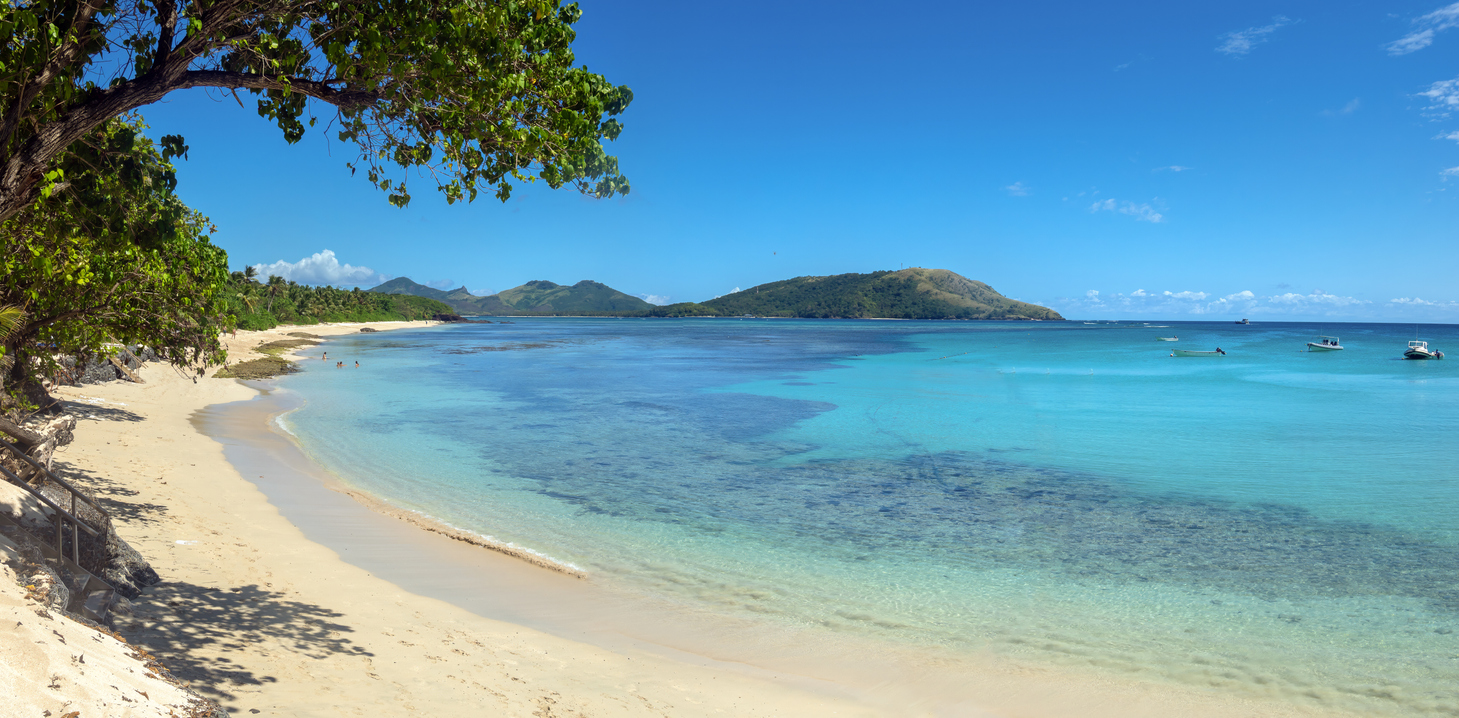
Australia's paradise next door, where turquoise lagoons, warm smiles and some of the world's most beautiful islands combine to create a holiday that's impossible to forget.
Fiji doesn't need much introduction. For Australians, it's the word that comes to mind when someone says paradise and having been there, it's hard to argue.
Just under four hours from the east coast, Fiji is a South Pacific archipelago of 333 islands, most of them uninhabited, spread across an expanse of the world's most strikingly blue ocean. The ones that are inhabited have been welcoming travellers with a warmth, a genuine, unaffected warmth that is simply one of the most disarming things in travel.
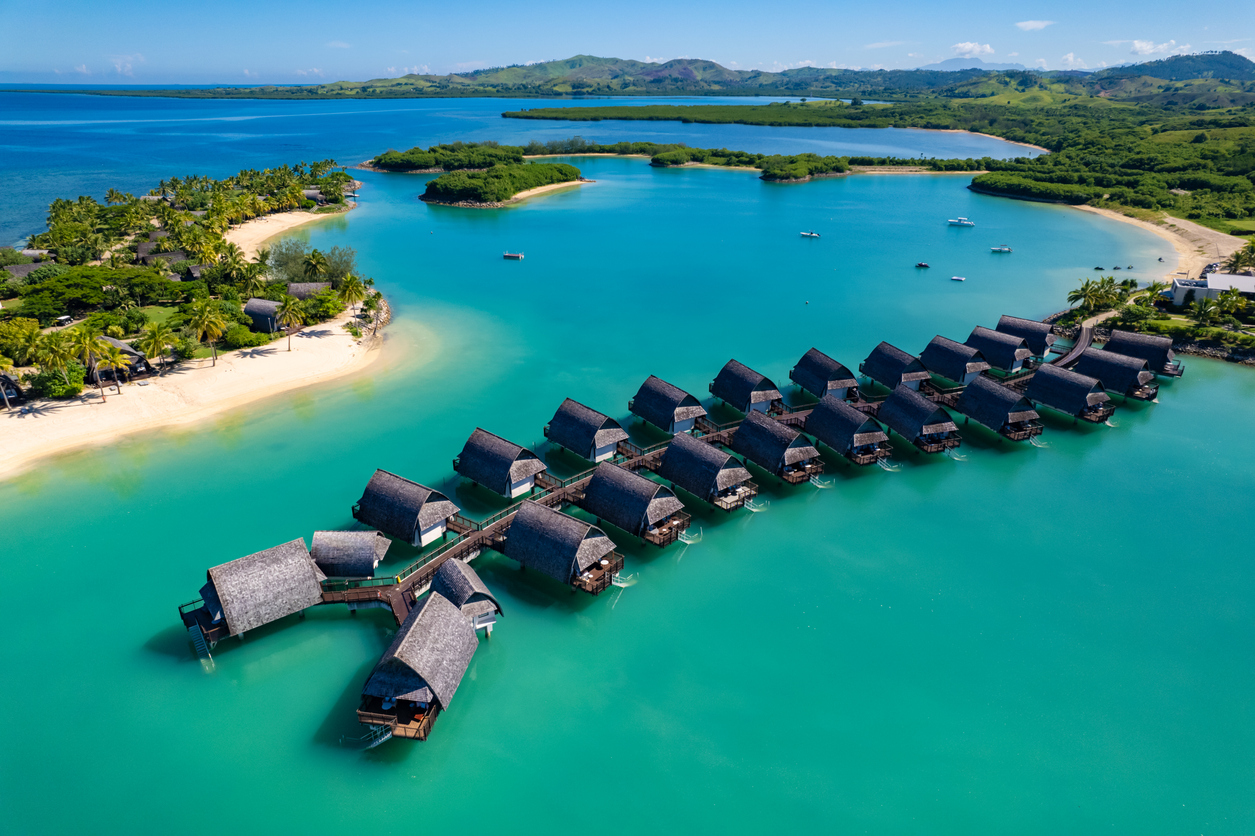
There are two Fijis, and both are worth knowing. The first is the resort Fiji most Australians are familiar with: the Mamanuca and Yasawa islands, where private overwater bures float above crystal-clear lagoons, where coral reefs teem with colour just below the surface, and where the only decision that requires any real effort is whether to snorkel before or after lunch. This Fiji delivers some of the most effortlessly pleasurable holiday experiences on earth.
The second Fiji is less visited but equally rewarding: the main island of Viti Levu, with its lush highlands, traditional Fijian villages, waterfall hikes and the buzzing market town of Suva. The Coral Coast, the Sigatoka Sand Dunes, the Garden of the Sleeping Giant, this is a Fiji that rewards those willing to look beyond the resort pool.
Underpinning all of it is the Fijian concept of bula a greeting that means so much more than hello. It's an expression of life, of joy, of genuine welcome. You hear it everywhere you go in Fiji, and every time it lands the same way: like the place is genuinely glad you're there. For EHG members, Fiji is a destination that delivers exactly what it promises and then a little more.
How to get to Fiji from Australia
Flights
Fiji's main international gateway is Nadi International Airport (NAN) on the western coast of Viti Levu, which has excellent direct connections from Sydney, Melbourne, Brisbane, Adelaide and Perth. Flight time is approximately 3.5–4 hours from the east coast, making Fiji one of the most accessible international destinations for Australians.
Fiji Airways is the national carrier and operates the majority of direct routes from Australia, with Qantas, Jetstar and Virgin Australia also offering services. Book early for the best fares, particularly around school holidays when demand peaks significantly.
Getting Around Fiji
Resort Transfers: Most resorts arrange transfers from Nadi Airport directly. For island resorts in the Mamanucas and Yasawas, transfers are typically by high-speed catamaran ferry (Yasawa Flyer or South Sea Cruises) or seaplane. Seaplane transfers are spectacular and worth the premium for the right occasion.
South Sea Cruises / Yasawa Flyer: The main ferry network connecting the Mamanuca and Yasawa island groups from Port Denarau Marina near Nadi. Book in advance for peak periods. The journey itself, passing between islands on open water, is genuinely beautiful.
Seaplanes: Charter seaplane transfers to the more remote island resorts are available from Nadi via Turtle Airways and others. A breathtaking way to arrive at a remote island and worth every dollar for a special trip.
Rental Car and Bus: For exploring Viti Levu's main island, rental cars are available from Nadi. The Queens Road (Coral Coast) and Kings Road connect Nadi to Suva. Local buses are inexpensive and reliable for budget travellers.
Inter-island Flights: Fiji Airways' subsidiary Fiji Link operates small aircraft services between Nadi and more remote island airstrips including Kadavu, Taveuni and Savusavu.
Best time to visit
Dry Season: May to October
The best time to visit Fiji and the most popular with Australian travellers. Temperatures are warm and pleasant (24–28°C), humidity is lower and rainfall is minimal. The water is at its clearest for snorkelling and diving during this period. July and August are peak season, accommodation books out early, particularly at the island resorts, and prices are at their highest. Shoulder dry season (May–June and September–October) offers excellent weather with better availability and more competitive pricing.
Wet Season: November to April
Fiji's wet season brings higher humidity, warmer temperatures (28–33°C) and regular rainfall, particularly from December to March. Cyclone risk exists from November to April, while cyclones don't affect Fiji every year, it's worth checking travel insurance coverage carefully for this period. The wet season also brings dramatically lower accommodation rates, lush green landscapes and far fewer tourists. Many experienced Fiji travellers visit in the wet season specifically for the value and the quieter atmosphere.
School Holidays
Australian school holiday periods, particularly July and the Christmas/New Year period are the busiest times for Fiji tourism. Book flights and resort accommodation six to twelve months in advance for July, and even earlier for Christmas. Prices during these periods, particularly at the popular Mamanuca island resorts, reflect the demand significantly.
Things to do
The Mamanuca Islands
The Mamanucas are Fiji's most famous island group, a scattering of small islands just 30–90 minutes by ferry from Nadi, each with its own personality and resort. This is the Fiji of postcards: perfect white sand beaches, absurdly clear water and reefs that come alive with colour just below the surface.
Snorkelling and Diving: The Mamanucas sit within the Coral Coast, one of the world's great coral reef systems. Snorkelling is excellent directly from the beach at most resorts; dive operators on the larger islands offer guided dives to outstanding reef systems. The soft coral gardens of the Somosomo Strait (accessible from Taveuni) are considered among the best diving in the world.
Cloud 9: A floating pontoon bar and pizzeria anchored in the middle of a turquoise lagoon between Nadi and the Mamanucas. One of Fiji's most unexpected and delightful experiences, day trips available from Port Denarau and several island resorts.
Surfing: Fiji is home to some of the world's most famous surf breaks. Cloudbreak (accessible from Tavarua Island) is a legendary left-hand reef break that regularly hosts world surfing competitions. Restaurants and bars overlooking Cloudbreak are open to non-surfers for the view.
Island Day Trips: South Sea Island, Beachcomber Island and Bounty Island all offer day trip packages from Port Denarau, perfect for those staying on the main island who want a taste of the outer islands.
The Yasawa Islands
A chain of volcanic islands stretching 80km north of the Mamanucas, the Yasawas are wilder, more remote and less developed than the Mamanucas. The reward for the longer ferry journey (2–6 hours depending on your island) is a quieter, more authentic Fiji experience, fewer crowds, stunning scenery and some of the archipelago's most beautiful beaches.
Blue Lagoon: The impossibly blue lagoon at Nanuya Lailai Island, made famous by the 1980 film, is as beautiful in person as it looks in photographs. Snorkelling in the lagoon is extraordinary.
Sawa-i-Lau Caves: Ancient limestone caves on Yaqeta Island, accessible only by boat and by swimming through an underwater passage. A remarkable, otherworldly experience.
Village Visits: Many Yasawa resorts facilitate visits to traditional Fijian villages, where the sevusevu (a kava ceremony offering of respect) is a genuine and moving cultural experience. Always remove your hat and accept the kava bowl with both hands.
Viti Levu, The Main Island
Coral Coast: The southern stretch of Viti Levu's Queens Road between Nadi and Suva offers resort beaches, the Sigatoka Sand Dunes National Park and the Kula Wild Adventure Park — excellent for families.
Sigatoka Sand Dunes: Fiji's first national park. Ancient sand dunes rising up to 60 metres above the coast, with archaeological significance and beautiful coastal views. A short detour from the Queens Road.
Navala Village: One of the last traditional thatched bure villages in Fiji, nestled in the Fijian highlands above Nadi. A fascinating and respectful window into traditional Fijian village life.
Garden of the Sleeping Giant: A stunning orchid garden in the hills above Nadi, originally established by actor Raymond Burr. Beautiful and peaceful, and a world away from the resort strip.
Suva: Fiji's surprisingly engaging capital city on the wet side of Viti Levu. The Fiji Museum is excellent; the Municipal Market is one of the Pacific's great produce markets; and the city's Indian-Fijian food scene (reflecting Fiji's significant Indian diaspora) is outstanding.
Taveuni, The Garden Island
Fiji's third-largest island and one of its most naturally spectacular. Taveuni is covered in lush rainforest, home to extraordinary birdlife, and sits on the International Date Line. The diving at the Rainbow Reef and the Somosomo Strait is considered some of the finest in the world. Bouma National Heritage Park offers waterfall hikes and exceptional birdwatching.
Where to stay
Ultra-Luxury
Laucala Island Resort: One of the most extraordinary private island resorts in the world. Owned by Red Bull founder Dietrich Mateschitz, Laucala accommodates a maximum of 50 guests across 25 villas on a 1,400-hectare private island in northern Fiji. A working plantation, its own golf course, multiple restaurants and a level of personalised service that is genuinely without equal. The benchmark for ultra-luxury in the Pacific.
Kokomo Private Island: A stunning luxury resort on a private island in the Kadavu Group, with overwater and beachfront villas, exceptional diving and a beautiful, intimate atmosphere. One of the finest new luxury resorts in the Pacific.
Turtle Island: A legendary eco-luxury private island in the Yasawas with just 14 bures for a maximum of 28 guests. All-inclusive, deeply romantic and the setting for the original Blue Lagoon film.
Luxury
Six Senses Fiji (Malolo Island): A beautiful wellness-focused resort on Malolo Island in the Mamanucas with outstanding spa facilities, private pool villas and exceptional sustainability credentials.
Likuliku Lagoon Resort (Malolo Island): The first resort in Fiji to offer authentic overwater bures. Adults-only, beautifully designed and with exceptional service. One of the Mamanucas' finest.
Tokoriki Island Resort (Tokoriki Island): An intimate, adults-only boutique resort on its own island in the Mamanucas. Excellent food, beautiful beach and a wonderfully unhurried atmosphere.
Mid-Range
Malolo Island Resort: A well-run family and couples resort on Malolo Island with a beautiful beach, excellent snorkelling and a warm, genuinely Fijian atmosphere. Outstanding value for a Mamanuca island resort.
Castaway Island Resort: A classic, beloved Mamanuca resort with a loyal following among Australian families. Lush gardens, good beach, excellent kids club and a genuinely relaxed pace.
Outrigger Fiji Beach Resort (Coral Coast): A large, well-facilitated resort on the Coral Coast of Viti Levu with multiple pools, a kids club, a spa and direct beach access. Excellent value and a solid base for exploring the main island.
Budget
Beachcomber Island Resort: The original Fijian backpacker island. A tiny island 90 minutes from Nadi by ferry with dorm and private accommodation, a lively bar and a party atmosphere. Extremely affordable and genuinely fun.
Mango Bay Resort (Coral Coast): A small, relaxed eco-resort on the Coral Coast with excellent snorkelling and a genuine community atmosphere. Well-priced and very popular with solo travellers and couples.
Budget Guide
A daily estimated spend on the budget end of the scale is between AUD90-$180pp per day.
On the higher end expect to pay well over $1000pp per day. The mid-tier is where most travellers in Fiji find themselves. Expect to spend on average between $350-700pp per day.
TIP: Many mid-range and luxury Fijian resorts offer meal plans (half-board or full-board) which can represent excellent value and simplify budgeting significantly. All-inclusive packages at the island resorts often include meals, non-motorised water sports and some activities, factor this into comparisons when pricing options.
Past Giveaways
FAQ's

Make your
next Holiday aReality
Turn daydreams into departures. Become a member today and make your next getaway a reality.
Never miss an offer or update
Subscribe and be the first to receive our news and exclusive offers.
Download Our
Mobile App
Download the EHG App to manage your account and use the interactive map to
easily find local deals and discounts near you.

