Discover
Vietnam
Everything You Need to Know About Australia's Favourite Street Food, Scenery and Value Escape
Vietnam is the one destination that keeps pulling Australians back for seconds.
Limestone karsts rising out of emerald water and motorbikes weaving through ancient alleyways, a bowl of pho cheaper than a cup off coffee at home, and a thousand kilometres of coastline strung between mountains and rice paddies. It's one of the most complete travel experiences in Asia.
We give Vietnam trips away regularly at EHG, so we've put together this guide for members planning their own adventure through the country.
The North is mountains, rice terraces and Hanoi's Old Quarter, with Ha Long Bay's limestone islands just a few hours away.
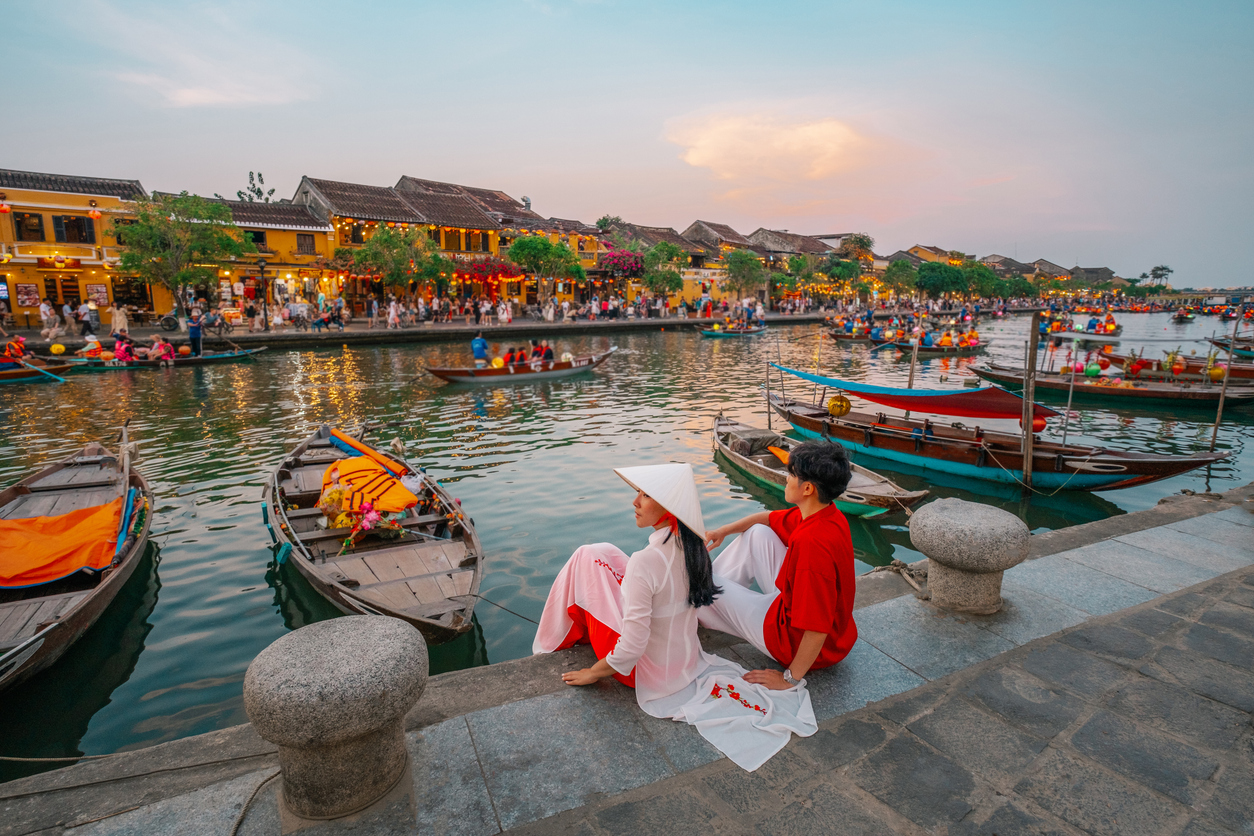
Central Vietnam is Hue's imperial history, Hoi An's lantern-lit ancient town, and Da Nang's beaches, all connected by the Hai Van Pass.
The South is Ho Chi Minh City's energy and the Mekong Delta's floating markets and river life.
Most first-time visitors try to string together all three, and with a bit of planning, it's very doable.
Could you be our next Vietnam winner?
EHG members go in the draw every week for luxury holidays just like this. From street food tours in Hanoi to overwater villas in the Maldives and beyond, we make the dreaming part easy. The hard part is just deciding where to start.
How to get to Vietnam
Vietnam Airlines and VietJet Air both operate frequent non-stop services from Australia, with Jetstar and Qantas offering codeshare options. The main direct routes:
● Sydney to Hanoi with Vietnam Airlines: around 3 flights a week, roughly 9-10 hours direct.
● Sydney to Ho Chi Minh City with Vietnam Airlines: up to 7 flights a week, around 8-9 hours direct.
● Perth to Ho Chi Minh City with Vietnam Airlines: around 3 flights a week, the shortest direct routing from Australia.
● Melbourne and Brisbane with VietJet Air: budget-friendly direct options, fares from around A$300-350 one-way.
You'll land at either Noi Bai International Airport (HAN) in Hanoi or Tan Son Nhat International Airport (SGN) in Ho Chi Minh City, both well connected to the city centre by taxi or Grab.
If you're covering more than one region, fly "open-jaw" into Hanoi and out of Ho Chi Minh City (or vice versa), so you travel the length of the country instead of backtracking to your entry airport.
Best time to Visit Vietnam
There is no single answer, weather varies significantly by region and by month.
The North (Hanoi, Ha Long Bay, Sapa) is best in spring (March-April) and autumn (September-November), when days are warm and skies are clear. Winter (December-February) turns cold and grey; summer (May-August) is hot, humid and prone to storms.
Central Vietnam (Hue, Hoi An, Da Nang) is best from February to May, before typhoon season sets in from August to November.
The South (Ho Chi Minh City, Mekong Delta) is warm year-round, with the driest, most comfortable window running December to April.
For a whole-country trip, November to April is the sweet spot, and it conveniently lines up with the Australian winter.
Things to do
A country this varied rewards slow travel. Here are a few experiences worth building an itinerary around:
Cruise Ha Long Bay. An overnight junk boat through the UNESCO-listed limestone karsts is one of the most photographed experiences in Southeast Asia for good reason.
Wander Hoi An's ancient town. Lantern-lit streets, a 400-year-old trading port, and some of the best custom tailoring in the world, most suits and dresses are ready within 24-48 hours.
Trek the rice terraces around Sapa. Mountain villages, cooler air, and multi-day treks through Hmong and Dao communities near the Chinese border.
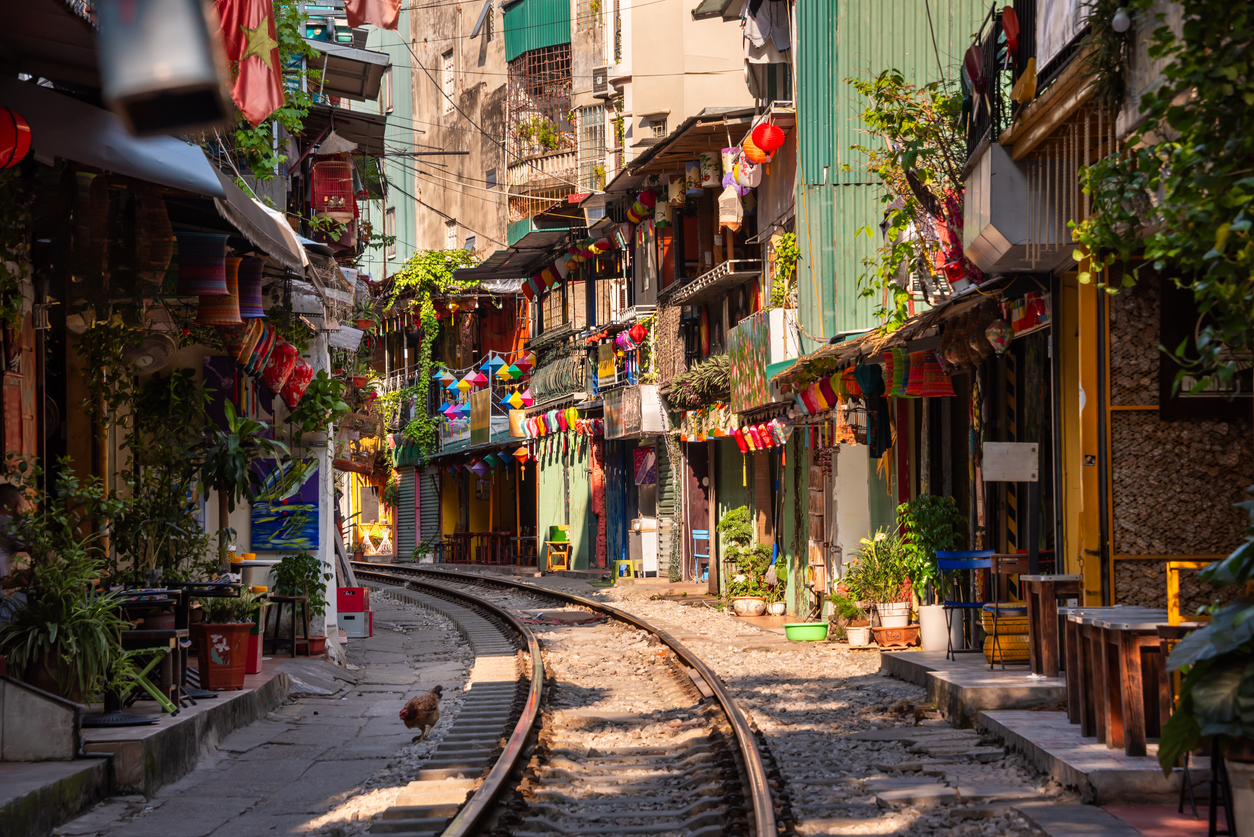
Explore Hanoi's Old Quarter. Thirty-six ancient guild streets, egg coffee, and some of the best street food anywhere on Earth, all best explored on foot.
Cycle the Mekong Delta. Floating markets, coconut candy workshops and river villages a few hours outside Ho Chi Minh City.
Ride the Hai Van Pass. The coastal mountain road between Hue and Da Nang, made famous by Top Gear, still one of the great scenic drives in Asia.
Visit the Cu Chi Tunnels and War Remnants Museum. A confronting but essential look at Vietnam's wartime history, both an easy day trip from Ho Chi Minh City.
Where to stay
Vietnam offers everything from five-star resorts to $15-a-night boutique hotels, often within the same block.
Cities. Hanoi and Ho Chi Minh City have excellent hotel options right in the Old Quarter or District 1, walkable to everything.
Beaches. Da Nang, Hoi An and Phu Quoc all have strong resort scenes, Phu Quoc especially for an all-inclusive, beach-first stay.
Mountains. Sapa homestays and eco-lodges put you right in the rice terraces, often with home-cooked meals included.
Ha Long Bay. An overnight cruise boat is effectively your hotel for the night, most itineraries include a cabin, meals and onboard activities.
Budget Guide
Vietnam remains one of the best-value destinations in Asia, your money simply goes further here than almost anywhere else on this list. Here's roughly what a week looks like at each level, per person:
Budget travellers
Dorm beds or basic guesthouses (A$10-25/night), street food and local eateries (A$3-8/meal), sleeper buses and trains between cities, and free or low-cost activities like walking tours and beaches.
Mid-range travellers
3-4 star hotels (A$50-120/night), a mix of local and Western restaurants, private transfers and the occasional domestic flight, plus paid tours like a Ha Long Bay overnight cruise or a Sapa trek.
Luxury travellers
Five-star resorts and boutique hotels (A$300-600+/night), private drivers, fine dining, and premium experiences like a private Ha Long Bay junk boat charter.
Prices vary significantly by region, Phu Quoc and Da Nang run noticeably higher than Hue or the Mekong Delta, so a multi-region trip will land somewhere between these tiers.
Past Giveaways
FAQ's

Make your
next Holiday aReality
Turn daydreams into departures. Become a member today and make your next getaway a reality.
Never miss an offer or update
Subscribe and be the first to receive our news and exclusive offers.
Download Our
Mobile App
Download the EHG App to manage your account and use the interactive map to
easily find local deals and discounts near you.

