Discover
Italy
Italy is the holiday that lives up to the daydream
Colosseum mornings and Vatican afternoons, long lunches in Tuscan hill towns, gondolas gliding through Venice and lemon-scented clifftop villages on the Amalfi Coast. Every region feels like a different country, with its own food, wine and way of life.
It's a destination for every kind of traveller: art lovers and history buffs, foodies and wine lovers, honeymooners and families. However many times you visit, there's always another piazza, another trattoria and another view you haven't seen.
Italy is the ultimate bucket-list holiday.
Exclusive Holiday Getaways members could be sipping espresso in a Roman piazza thanks to our weekly holiday giveaways. Membership also unlocks member rewards and supports our charity partners.
How to Get There from Australia
Most travellers fly into Rome (FCO) or Milan (MXP) with one stop through the Middle East or Asia, on airlines including Emirates, Qatar Airways, Etihad, Singapore Airlines and Cathay Pacific.
Total travel time: usually 22 to 26 hours from the east coast, including a connection
From Perth: Qantas has run seasonal non-stop flights to Rome, about 16 hours
Venice, Florence and Naples: reachable with one connection, or by fast train from Rome or Milan
Italy is eight to ten hours behind Australian eastern time, depending on daylight saving in each country.
Editor's note: confirm whether the Qantas Perth–Rome service is running before planning.
Getting Around Italy
High-speed trains: Frecciarossa and Italo trains link Rome, Florence, Venice, Milan and Naples in a few hours. Book ahead for the best fares.
Hire car: best for Tuscany, Puglia, Sicily and the countryside. Avoid driving into historic centres, where restricted traffic zones (ZTL) bring heavy fines.
Ferries: connect the Amalfi Coast, Capri, Sicily, Sardinia and the lakes.
Domestic flights: useful for Sicily, Sardinia and Puglia.
Best Time to Visit
Spring (April to June): warm weather, wildflowers and fewer crowds than summer. Ideal for cities and the countryside.
Summer (July to August): hot and busy, perfect for the coast and lakes. Many locals take holidays in August, so some city businesses close.
Autumn (September to October): warm seas, harvest season and food festivals. Many travellers' favourite time to go.
Winter (November to March): quieter cities, lower prices, Christmas markets and skiing in the Dolomites.
Things to Do
Rome
Colosseum and Roman Forum: walk in the footsteps of gladiators and emperors. Book timed tickets in advance.
Vatican City: the Vatican Museums, the Sistine Chapel and St Peter's Basilica.
Trevi Fountain and the Pantheon: go early in the morning to beat the crowds.
Trastevere: cobbled lanes, ivy-covered trattorias and Rome's best evening atmosphere.
Florence and Tuscany
Florence: Michelangelo's David, the Uffizi Gallery and the view from the Duomo.
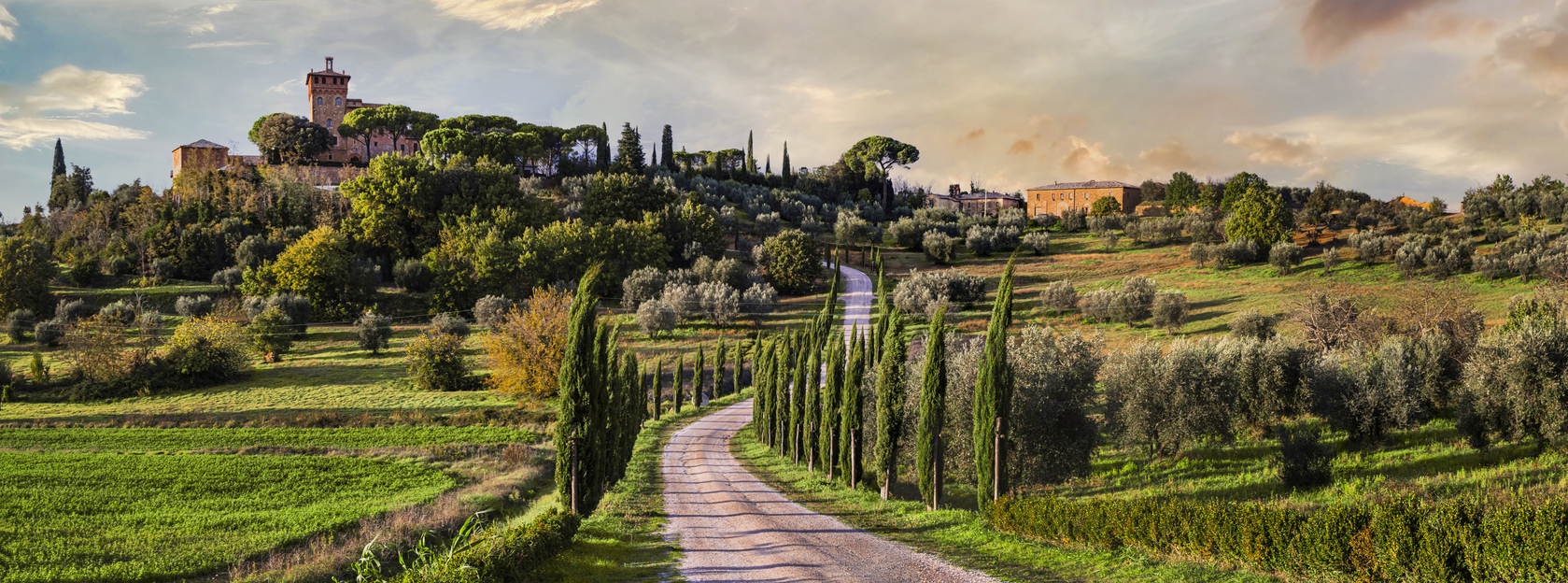
Chianti and Val d'Orcia: winery tours, cypress-lined roads and long lunches.
Hill towns: Siena, San Gimignano and Montepulciano.
Venice and the North
Venice: a gondola ride, St Mark's Square and getting lost among the canals.
Lake Como: elegant villas, lakeside towns and boat trips between Bellagio and Varenna.
Cinque Terre: five colourful fishing villages linked by coastal walking trails.
The Dolomites: dramatic mountain hiking in summer and skiing in winter.
The South
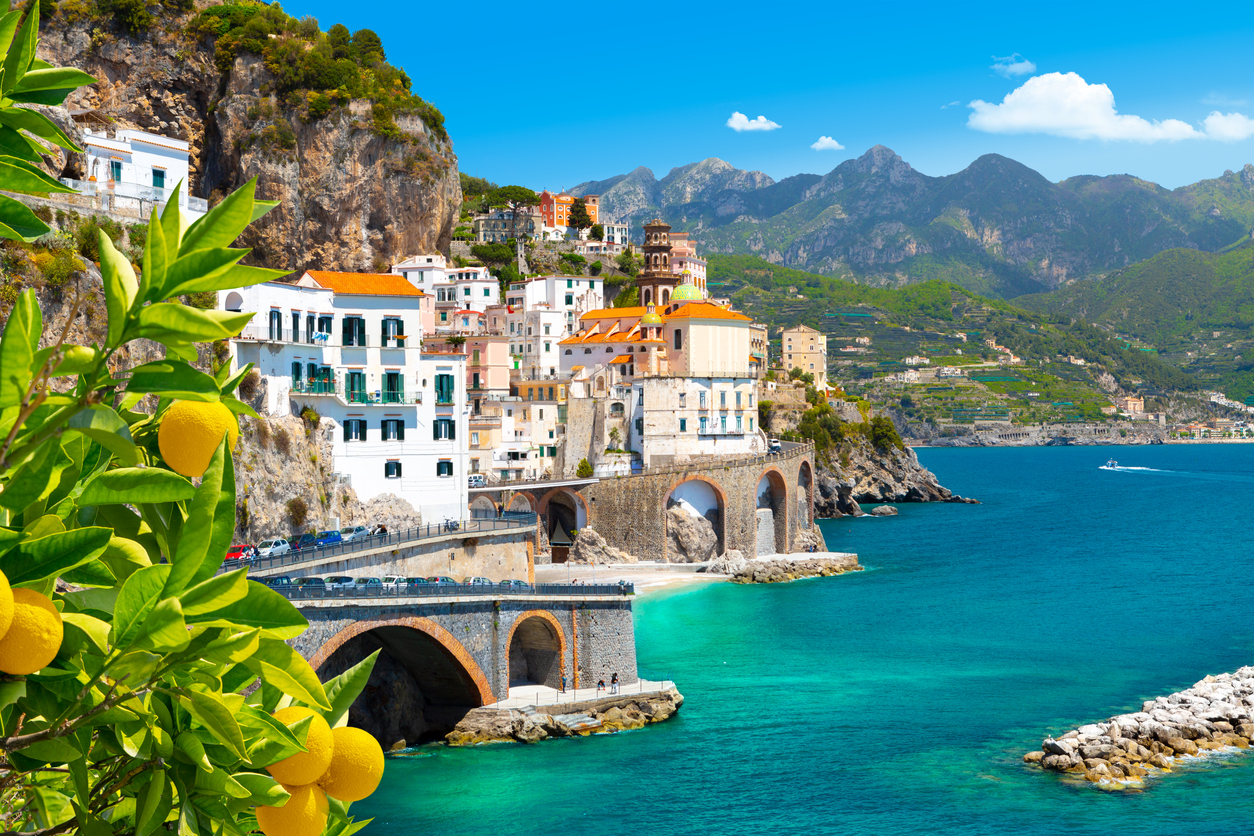
Amalfi Coast: Positano, Amalfi and Ravello, with boat trips to Capri.
Naples and Pompeii: the birthplace of pizza and the ruins of the city buried by Vesuvius.
Puglia: whitewashed towns, the trulli of Alberobello and beautiful beaches.
Sicily: Mount Etna, Taormina and Greek temples.
Where to Stay
Rome: boutique hotels near Piazza Navona and the Spanish Steps, or charming guesthouses in Trastevere.
Florence and Tuscany: a city hotel in Florence, then a countryside agriturismo (working farm stay) or villa among the vineyards.
Venice: canal-side palazzo hotels, or stay on the Lido for a quieter, beachside base.
Amalfi Coast: clifftop hotels in Positano and Ravello with sea views from every terrace.
Lake Como: grand lakeside hotels and villas in Bellagio, Varenna and Tremezzo.
Budget Guide
Italy can suit a range of budgets, though summer on the coast is pricey. As a rough guide per person, per day, excluding flights:
Budget: around A$130–200 for guesthouses, trattorias and regional trains
Mid-range: around A$300–500 for boutique hotels, restaurant meals, fast trains and museum entries
Luxury: A$800+ for five-star hotels, Michelin dining and private tours
Travelling in spring or autumn, and eating where the locals eat, makes your money go much further.
Past Giveaways
FAQs
No. Australians can visit Italy and the rest of the Schengen Area visa-free for up to 90 days in any 180-day period. Your passport must be valid for at least three months beyond your departure from Europe. The EU's new ETIAS travel authorisation hasn't started yet and has no confirmed start date, so ignore websites selling it for now.
Yes. Most Italian cities charge a small nightly city tax (tassa di soggiorno), usually paid at your hotel. Venice also charges day-trippers an access fee on peak days.
For the big sights, yes. Book timed tickets for the Colosseum, Vatican Museums, Uffizi and Last Supper in Milan well ahead, especially in spring and summer.
The euro (EUR). Cards are widely accepted, but carry some cash for small cafés, markets and rural areas.

Make your
next Holiday aReality
Turn daydreams into departures. Become a member today and make your next getaway a reality.
Never miss an offer or update
Subscribe and be the first to receive our news and exclusive offers.
Download Our
Mobile App
Download the EHG App to manage your account and use the interactive map to
easily find local deals and discounts near you.

