Discover
Malaysia
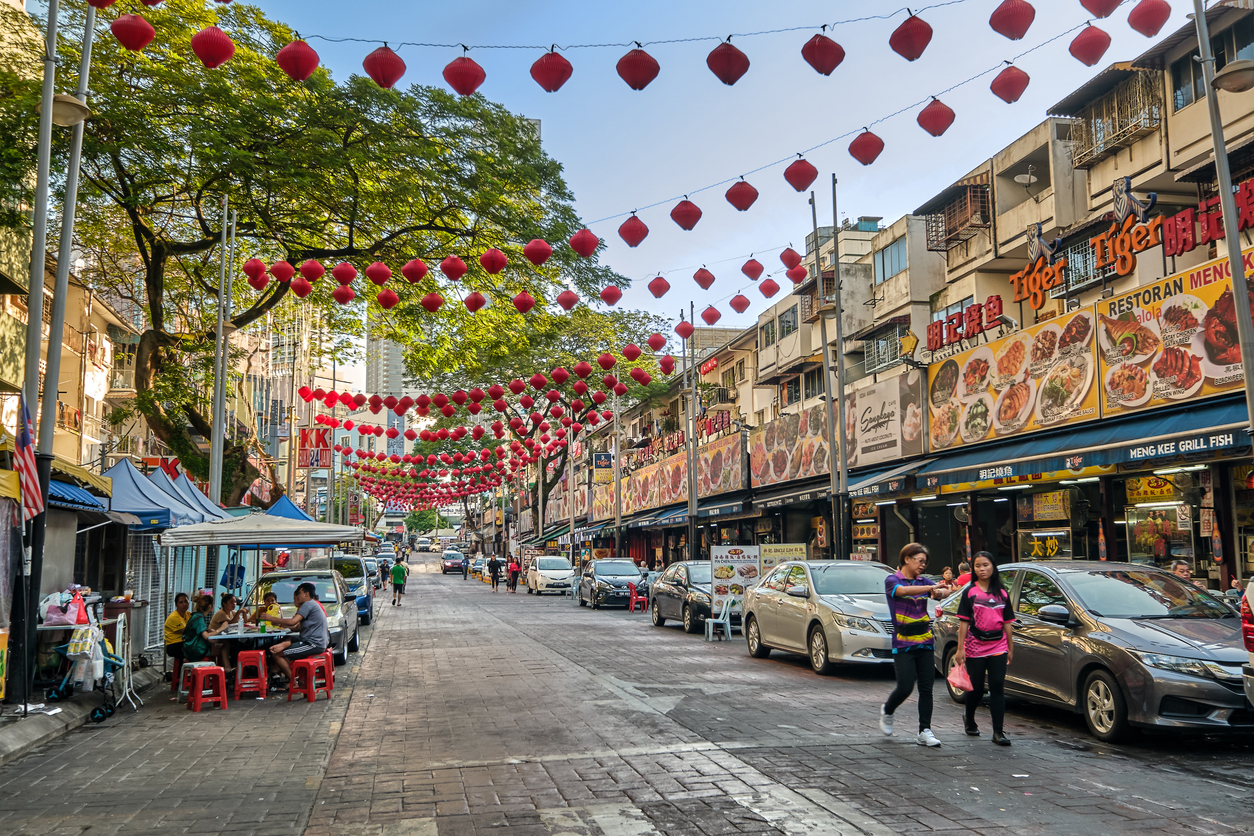
A country that packs an entire region's worth of variety into one destination, glass towers and street-food stalls side by side in Kuala Lumpur, limestone-ringed beaches in Langkawi, colonial heritage and hawker food in Penang.
Malaysia's multicultural mix of Malay, Chinese and Indian heritage shows up everywhere, in the food most of all, and gives the country a depth most beach destinations can't match.
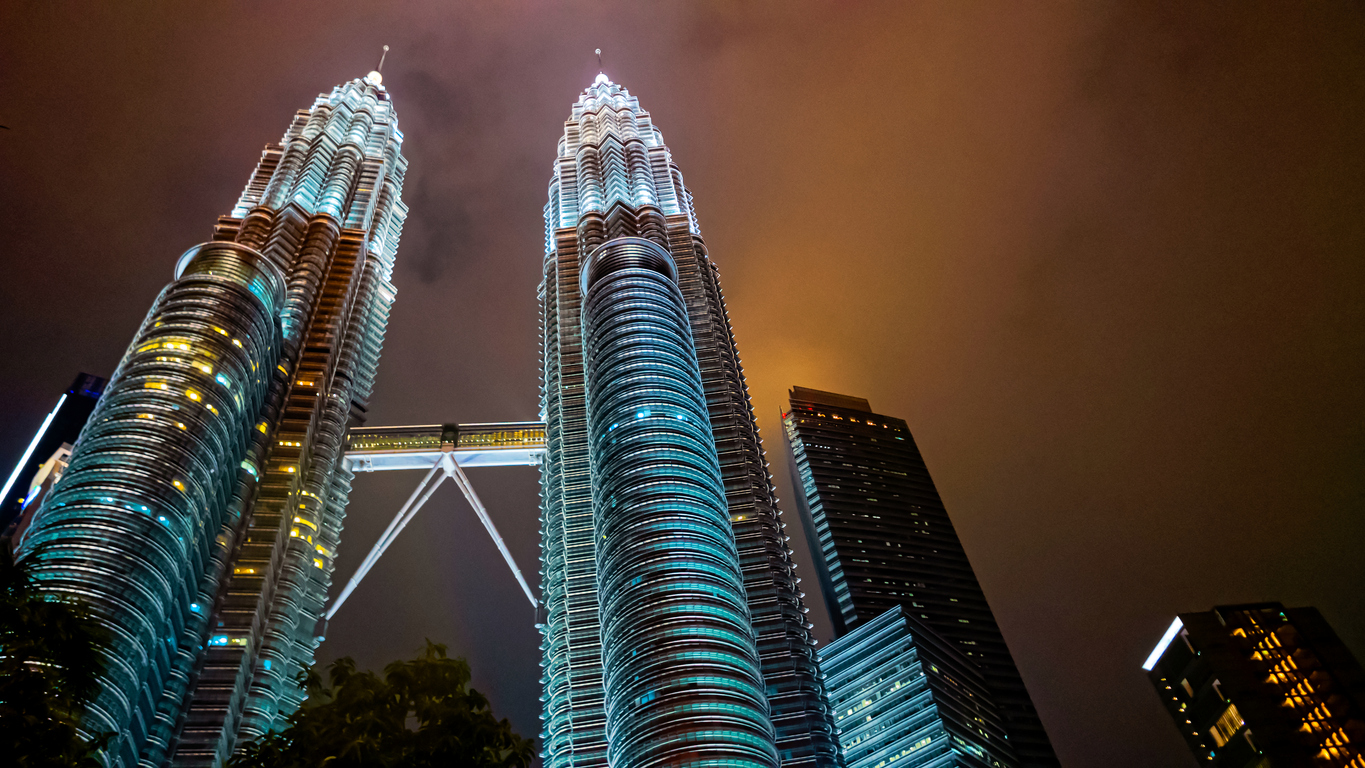
Kuala Lumpur's Petronas Towers anchor one of Southeast Asia's most liveable capital cities, Penang's George Town is a UNESCO World Heritage old quarter built around some of the best street food in Asia, and Langkawi delivers the kind of beach resort experience that rivals Bali or Phuket at a noticeably gentler price point.
For Australians, Malaysia sits within a manageable flight window and offers outstanding value against almost any comparable Southeast Asian destination. For EHG members, it's a genuine multi-stop country, city, beach and rainforest all achievable in a single trip, with a standard of luxury hospitality that holds up against anywhere in the region.
How to get to Malaysia from Australia
Flights
Kuala Lumpur (KUL) is well served from Australia, with direct flights from Sydney, Melbourne, Perth and Brisbane on Malaysia Airlines, AirAsia X and Qantas. Flight time from Sydney is around 9 hours, making it one of the more convenient long-haul Asian routes from the east coast. Perth's flight time is notably shorter given its geographic position.
Getting Around Malaysia
Domestic Flights: AirAsia and Malaysia Airlines connect KL to Langkawi, Penang and across to Sabah and Sarawak in Borneo, typically under 2 hours and the most practical way to cover the country's spread.
KL public transport: The LRT, MRT and KLIA Ekspres (airport to city in 28 minutes) make Kuala Lumpur one of the easier Asian capitals to navigate without a car.
Ferries: Connect Penang to the mainland and are the standard way to reach islands like Langkawi from nearby ports.
Rental Car: Useful for exploring Penang's countryside or Langkawi at your own pace, less necessary within KL itself.
Best time to visit
West Coast (Langkawi & Penang): November to March
The clearest, driest stretch, with calm seas and long sunny days ideal for beach time and island hopping. January is typically Langkawi's driest month.
West Coast monsoon: May to September
The southwest monsoon brings heavier, more frequent showers, though usually as short afternoon bursts rather than washed-out days.
Borneo (Sabah & Sarawak): May to September
Borneo runs on a separate monsoon pattern to the peninsula, so this window, which is the wetter season on the west coast, is the more reliable stretch for Borneo's rainforests and diving.
Overall best window: February to September
No single month suits every region, but this stretch covers good weather on at least one coast at any point, with March to June delivering good conditions almost everywhere at once.
Things to do
Kuala Lumpur
Petronas Twin Towers: The Skybridge and observation deck remain KL's signature view, best booked a few days ahead.
Batu Caves: A limestone cave temple complex just north of the city, reached via a colourful staircase of 272 steps.
Jalan Alor: KL's best-known street food strip, satay, noodles and seafood until late into the night.
Petaling Street & Chinatown: Markets, temples and some of the city's best hawker food in one dense, walkable district.
Langkawi
Langkawi Sky Bridge: A curved pedestrian bridge suspended above the rainforest canopy, reached by cable car from Oriental Village.
Island hopping: Boat tours to Pulau Dayang Bunting's freshwater lake and the Pregnant Maiden Island legend.
Duty-free shopping: Langkawi's duty-free status makes it a popular stop for chocolate, alcohol and electronics.
Penang
George Town: A UNESCO World Heritage old town of shophouses, street art and temples representing Malaysia's full cultural mix.
Penang Hill: A funicular railway up to cooler air and views across the island and mainland.
Street food: Char kway teow, Penang laksa and Hokkien mee are reason enough to visit; locals consider Penang Malaysia's food capital.
Borneo (Sabah & Sarawak)
Orangutan sanctuaries: Sepilok Orangutan Rehabilitation Centre in Sabah offers genuine, ethically-run wildlife encounters.
Mount Kinabalu: Southeast Asia's highest peak between Malaysia and the Philippines, climbable over two days for experienced hikers.
Diving at Sipadan: Widely regarded as one of the best dive sites in the world, home to turtles, reef sharks and dense coral walls.
Where to stay
Kuala Lumpur
The RuMa Hotel and Residences: A Michelin Key hotel in the city centre, ranked among Malaysia's best-value luxury stays.
Four Seasons Hotel Kuala Lumpur: Spacious, polished and centrally located, a reliable first-class experience.
Park Hyatt Kuala Lumpur: Housed within the Merdeka 118 Tower, one of the newest luxury additions to the city.
Langkawi
Four Seasons Resort Langkawi: A mile-long beach and limestone cliffs within a UNESCO Global Geopark, with some of the island's best sunsets.
The Datai Langkawi: Set within ancient rainforest, consistently ranked among Malaysia's finest resorts.
Pelangi Beach Resort & Spa: A long-standing beachfront property blending traditional Malaysian hospitality with modern comfort.
Penang
Shangri-La Rasa Sayang Penang: A beachfront resort combining luxury, comfort and a strong spa offering.
Eastern & Oriental Hotel: A restored colonial-era landmark in the heart of George Town.
What can I expect to spend in Malaysia
Malaysia is one of the better-value destinations in the region. Budget travellers can manage on $30-50 per person per day, mid-range travellers around $100-105 per day covering a private hotel, a mix of local and Western dining, and local transport, and luxury travellers around $300-320 per day in five-star resorts and fine dining.
A standard daily breakdown for a mid-range trip: accommodation around $40 a night, food and dining around $21 a day, local transport around $10 a day, and sightseeing and entertainment around $15 a day.
Tips: Hawker centre meals cost a fraction of restaurant dining without sacrificing quality, often Malaysia's best food is found this way. Domestic flights booked in advance between KL, Langkawi and Penang are inexpensive and save significant travel time over ferries or buses.
Upcoming Giveaway
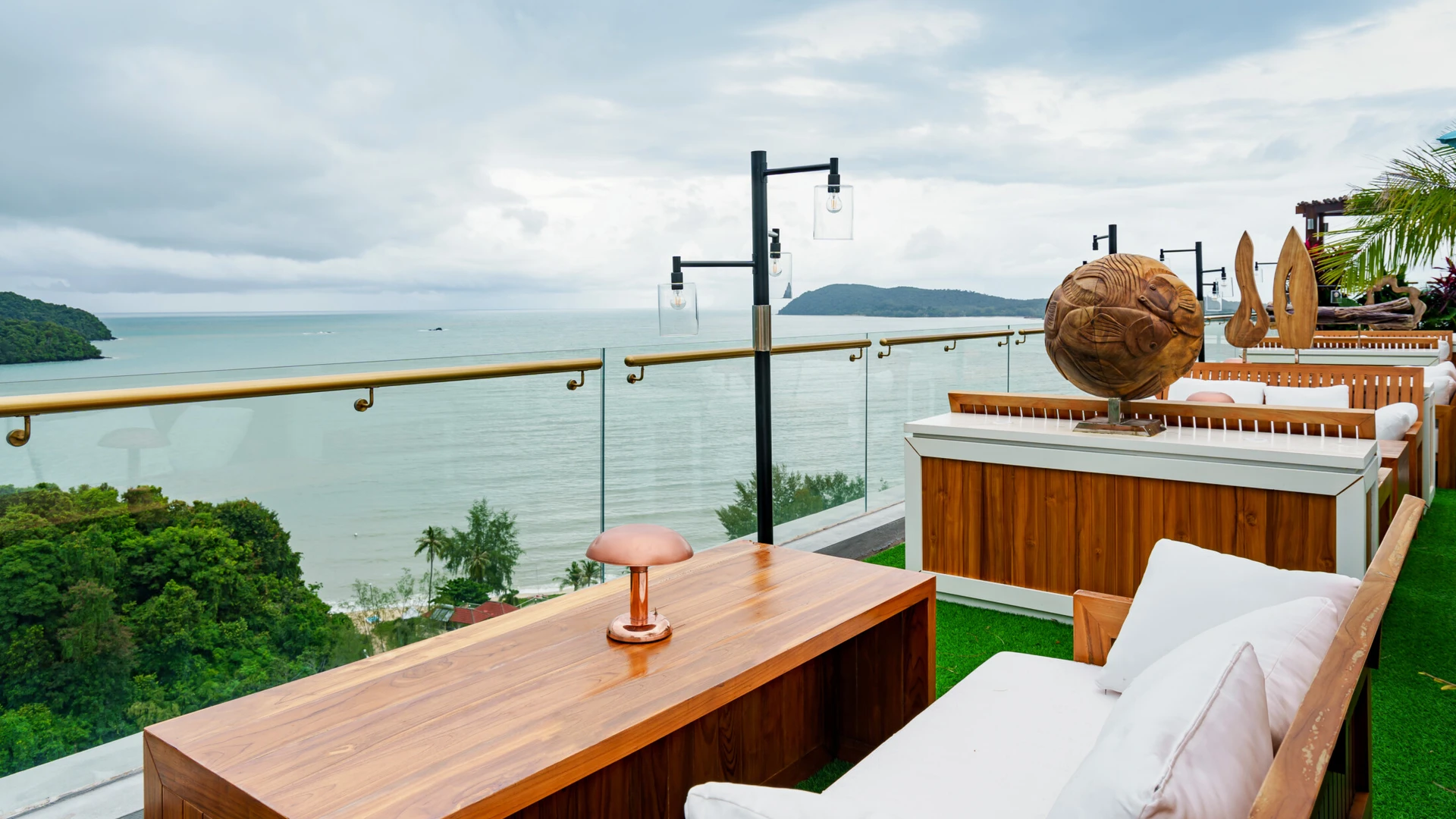
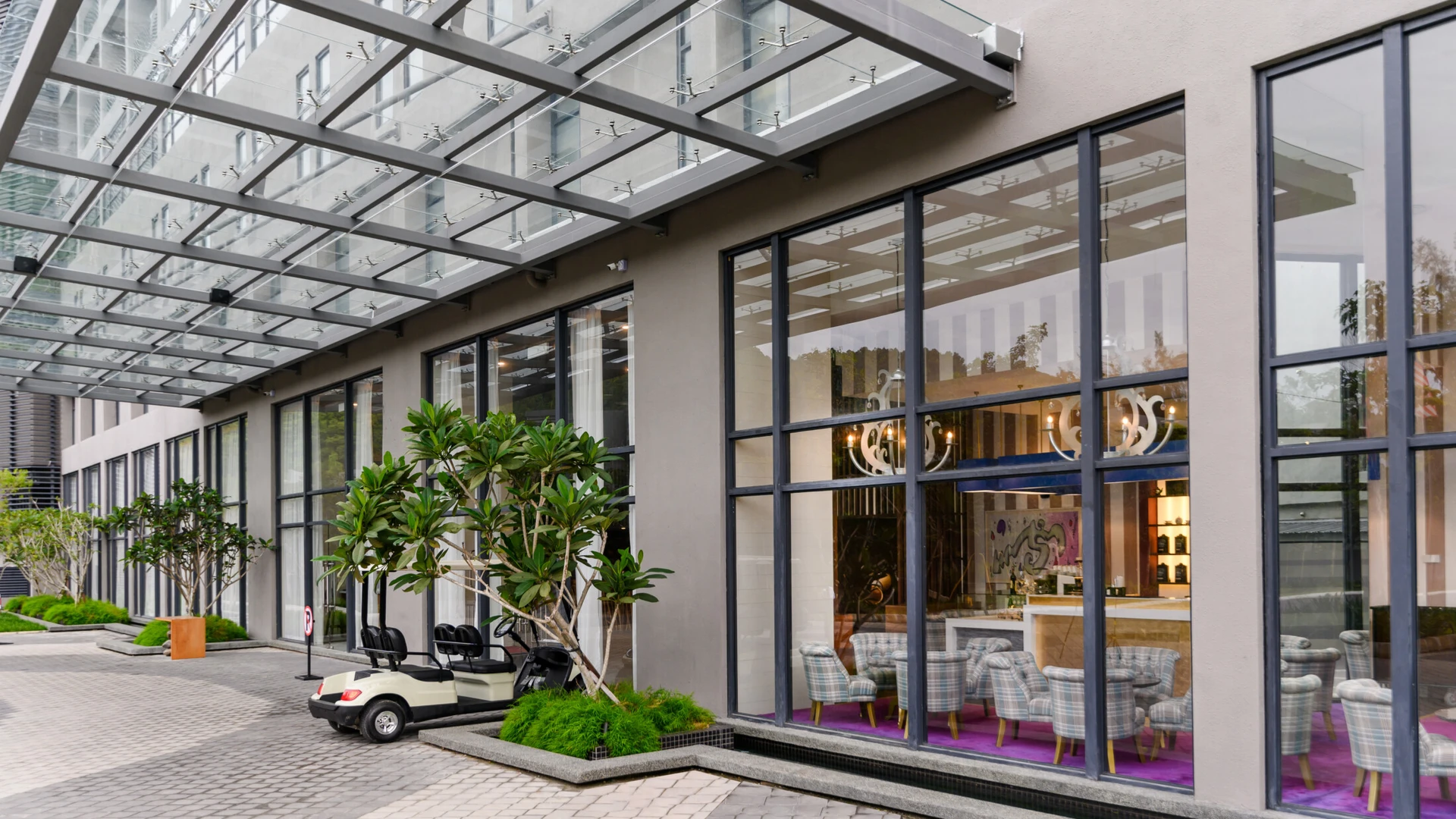
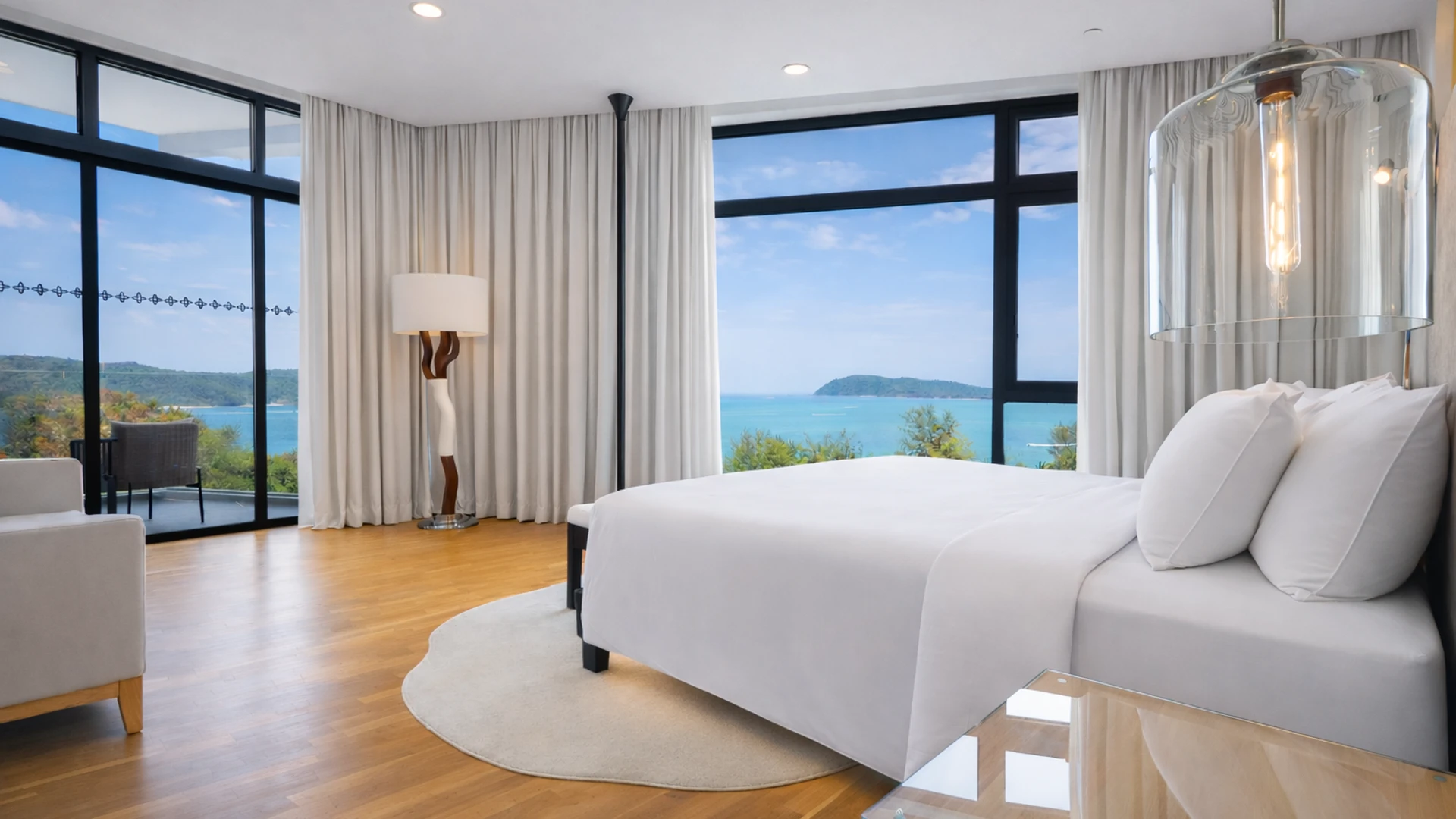
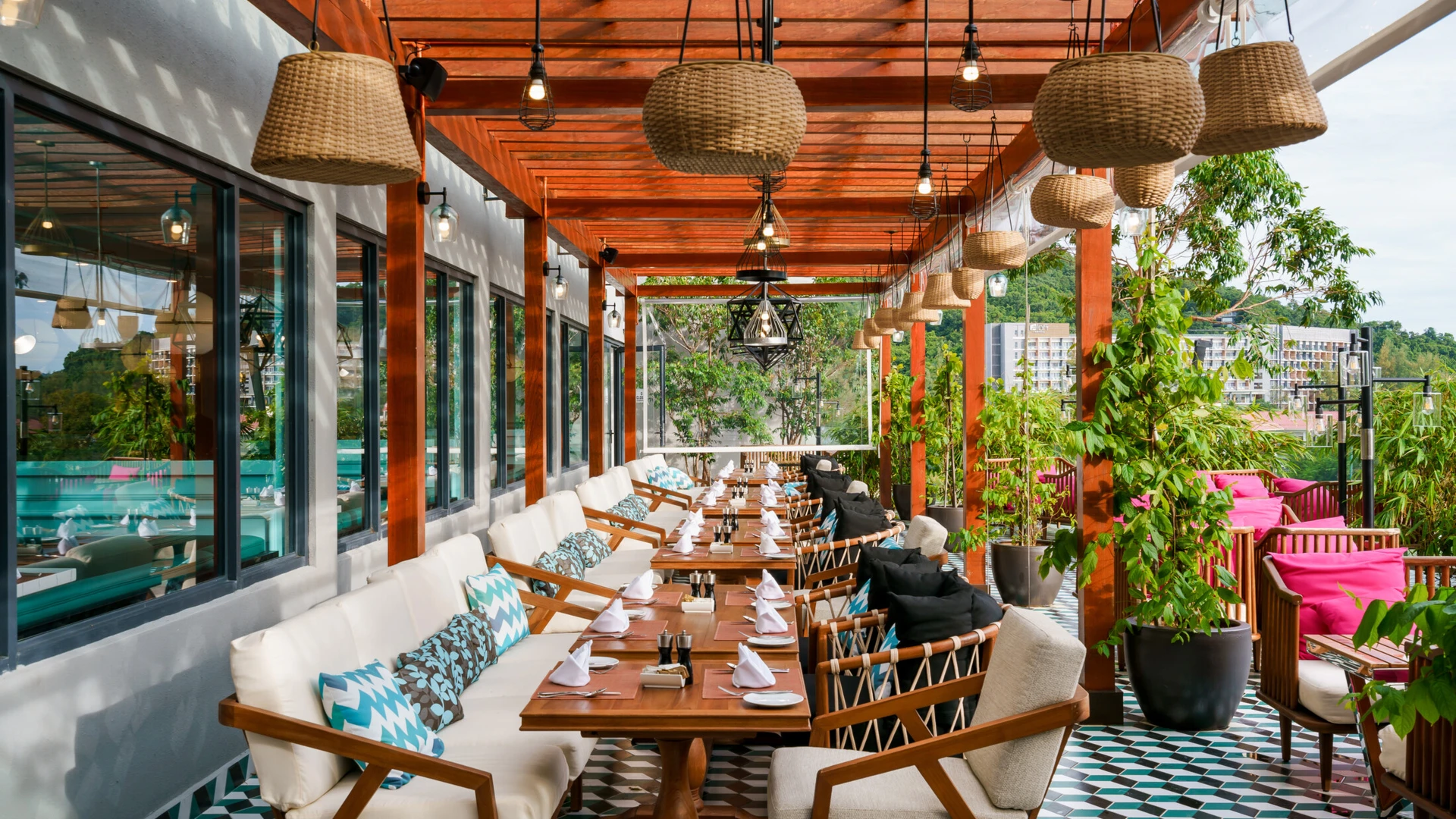
Upcoming Giveaways
FAQs
No visa is required for tourist stays of up to 90 days. A passport valid for at least six months beyond your arrival date is required.
A split stay of Kuala Lumpur for the city and food, followed by either Langkawi or Penang, gives a genuine sense of the country's range without an overly ambitious itinerary.
Exceptionally. The Malay, Chinese and Indian culinary traditions blend and sit side by side, and Penang in particular is considered one of Asia's great street food destinations.
Malaysia is generally comparable to or slightly cheaper than Thailand, and noticeably more affordable than Bali at the luxury end, while offering a similar standard of resort hospitality.
Yes, particularly Langkawi and KL, both with strong infrastructure, family resorts and a wide range of activities suited to children.
The Malaysian Ringgit (MYR). Credit cards are widely accepted in cities and resorts; cash is useful for hawker stalls and markets.
It's possible but adds meaningful travel time, a domestic flight of 2-2.5 hours each way from KL. Most travellers treat Borneo as its own dedicated trip rather than an add-on.

Make your
next Holiday aReality
Turn daydreams into departures. Become a member today and make your next getaway a reality.
Never miss an offer or update
Subscribe and be the first to receive our news and exclusive offers.
Download Our
Mobile App
Download the EHG App to manage your account and use the interactive map to
easily find local deals and discounts near you.

